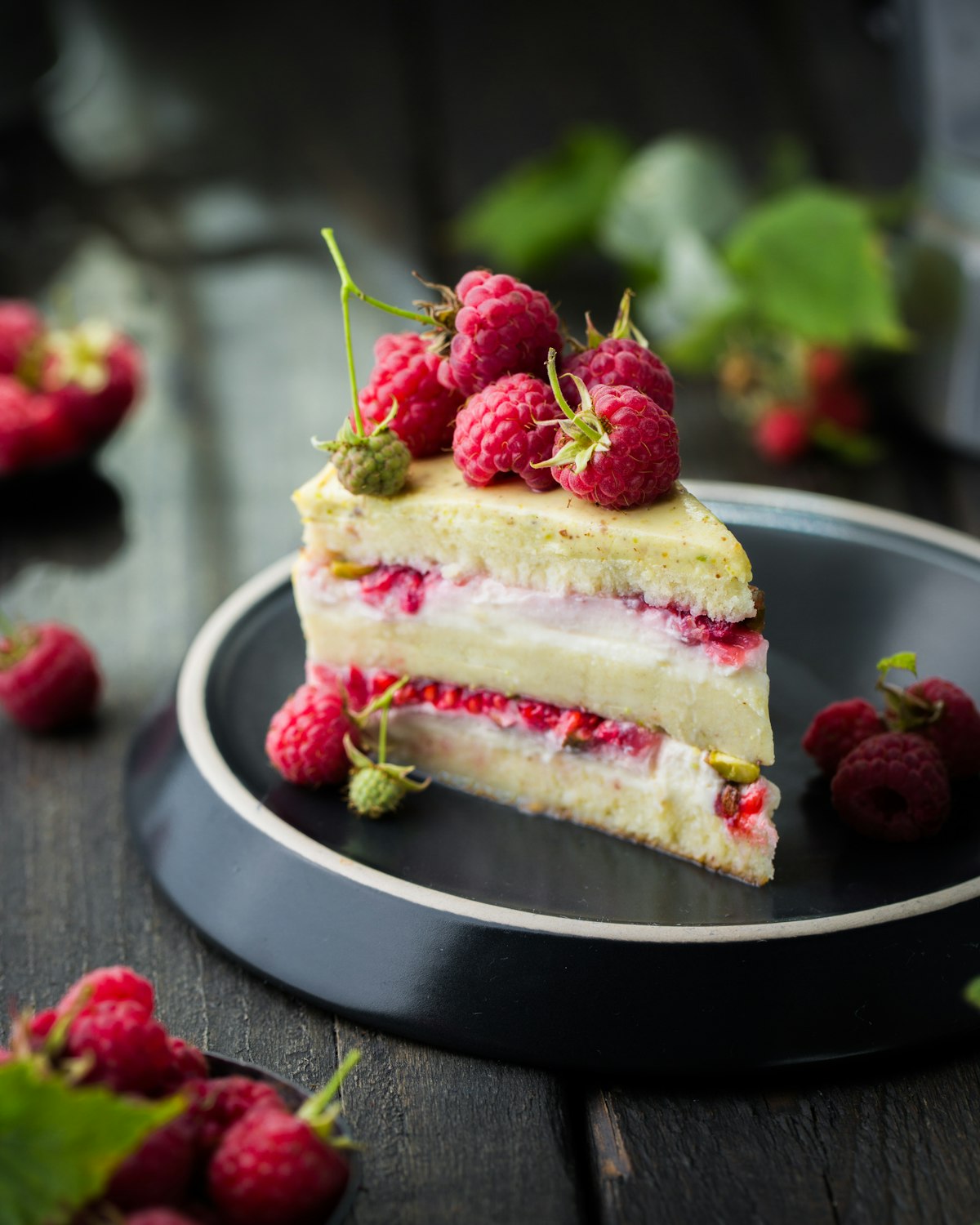
Mango float is one of those desserts that's basically impossible to mess up. No oven, no water bath, no candy thermometer. You layer cookies, whipped cream, and fresh mango in a dish, slide it in the freezer, and come back a few hours later to something that tastes like it took effort. It's been a staple in Filipino households forever.
The Biscoff version is newer. Swap out the traditional graham crackers for Lotus Biscoff cookies and the whole thing shifts. The caramelized, slightly spiced bite of the Biscoffs cuts through the sweetness of the mango in a way grahams never quite do. That's why it's been everywhere on TikTok and Instagram this summer, and why Food & Wine put it on their July picks list.
Here's what you actually need to know to make it well.
What Makes This Version Different
Traditional mango float is already great. The problem most people run into is texture: graham crackers go soft in a predictable, slightly mushy way. Biscoff cookies hold up differently. They soften into something almost cake-like, but they keep more structure. You get actual layers when you cut into it instead of everything collapsing together.
The flavor shift matters too. Biscoff has notes of cinnamon, nutmeg, and brown sugar. Mango, especially Ataulfo (also called honey mango or champagne mango), is intensely sweet and faintly floral. Together they taste like something you'd pay $14 for at a trendy café. Which is the whole point of making it at home.
The Ingredients
You need four things:
- Fresh ripe mangoes. Ataulfo mangoes are the move if you can get them. They're less fibrous and way sweeter than Tommy Atkins (the big red-green ones at most grocery stores). If Ataulfos aren't available, any ripe mango works. Just taste before you use it and adjust the sugar if needed.
- Heavy whipping cream. Cold, straight from the fridge. Warm cream won't whip properly.
- Sweetened condensed milk. This is what makes the cream thick and rich without adding a ton of separate sweetness steps.
- Biscoff cookies. One sleeve is usually enough for an 8x8 dish. Don't substitute with Speculoos from other brands unless you have to; the Lotus version has the best texture for this.
That's it. Four ingredients, no baking.
How to Make It
Start with the cream. Combine 2 cups of cold heavy cream with 3 to 4 tablespoons of sweetened condensed milk and beat until stiff peaks form. Taste it. If your mangoes are very sweet, go lighter on the condensed milk. If they're more tart, add a bit more.
Peel and slice your mangoes into thin pieces, about a quarter inch thick. You want coverage, not chunks.
Now layer: Biscoff cookies on the bottom of a pan or dish, slightly overlapping so there are no gaps. Spread about a third of the cream over the cookies. Add a layer of mango slices. Repeat twice more, finishing with cream on top. Press a few extra mango slices and crumbled Biscoff pieces into the top layer for presentation.
Cover with plastic wrap and refrigerate for at least 4 hours. Overnight is better. The cookies need time to absorb some of the cream and soften to that almost-cake texture.
Before serving, you can crumble a few extra cookies on top and add a final scatter of mango. Some people drizzle extra condensed milk over the top. It's excessive in the best way.
Tips That Actually Help
Cold everything. The bowl, the beaters, the cream. Room temperature cream takes twice as long to whip and never gets as stiff. Don't overwhip. Stop when you hit stiff peaks. A few seconds past that and you're making butter, which is a different recipe. Let the mangoes drain. If your mangoes are very juicy, pat them dry with a paper towel before layering. Excess juice makes the cream weep and you lose the clean layer structure. Give it time. Four hours is the minimum. Six is better. Overnight is best. This is one of those desserts that genuinely improves with a little patience.Scaling for a Crowd
This is where Biscoff Mango Float really earns its place at a party. The recipe doubles or triples cleanly. Use a 9x13 pan for a double batch, or make individual portions in ramekins or mason jars.
If you're scaling up, the ratio stays the same: roughly one sleeve of cookies, one cup of cream, and two to three tablespoons of condensed milk per layer tier. Two large Ataulfo mangoes is usually enough for one 8x8 batch; add one mango per additional batch.
SnipDish's recipe scaling tool handles this automatically. Drop in the original recipe, set your target servings, and it recalculates every ingredient without you doing the math. Useful when you're tripling a recipe at 10pm the night before a cookout.
How to Serve It
Cold, right from the fridge. Or if you made it the night before and put it in the freezer, pull it out 10 to 15 minutes before serving so the cream softens slightly. The frozen version is closer to an icebox cake and has a firmer, cleaner slice.
Cut it with a sharp knife rinsed under hot water between cuts. It keeps the layers intact and makes for better presentation.
Leftovers keep in the fridge for two to three days. The cookies get softer each day, which some people actually prefer. By day two it's almost custardy.
If you want to try this, the full recipe is easy to save and scale in SnipDish. Import it, set your serving size, and you've got a shopping list ready to go.