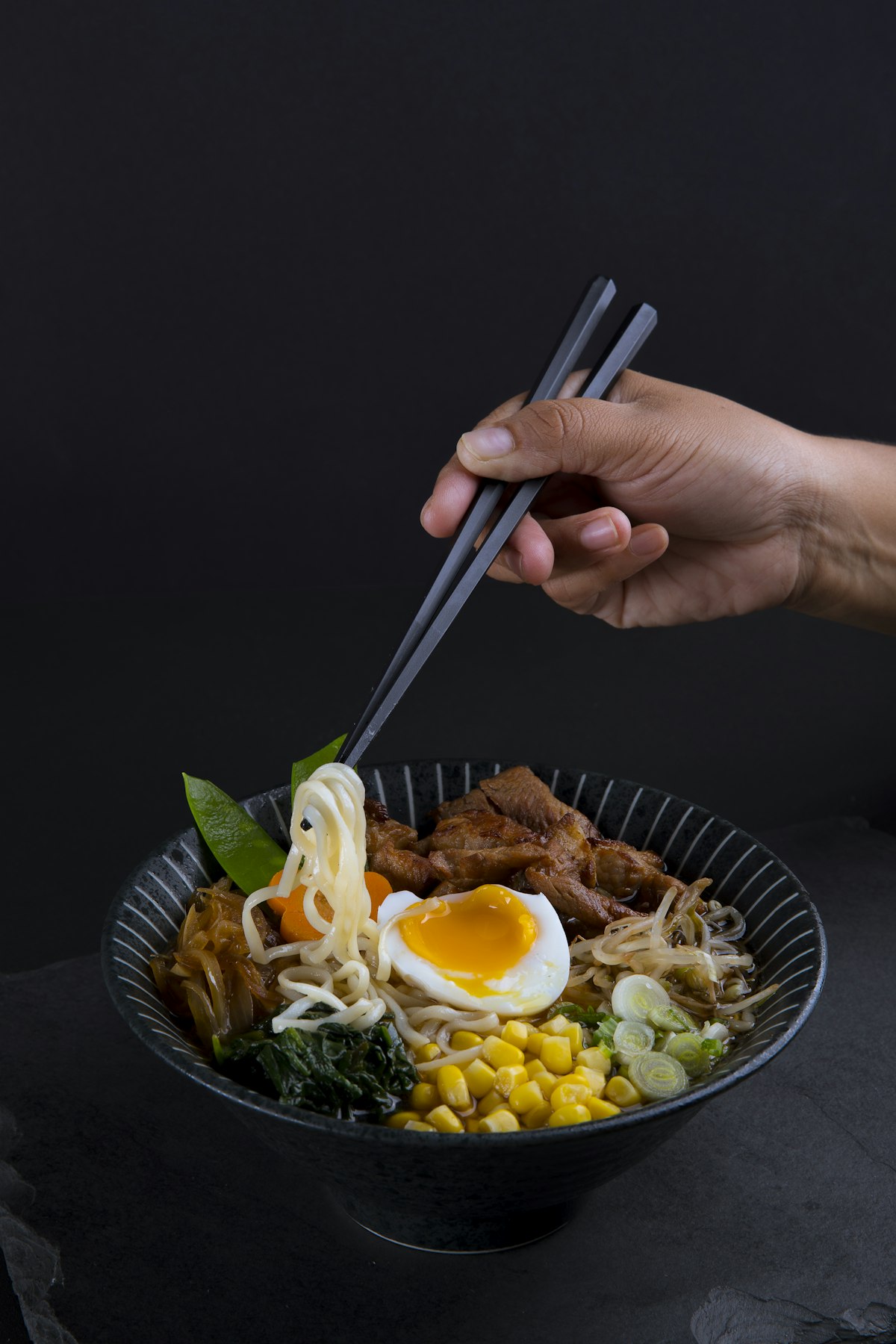
Every summer, a recipe takes over. Last year it was smashed cucumber salads. The summer before that, everyone was making agua fresca. This June, cold sesame noodles are everywhere — and honestly, it makes perfect sense.
They require almost no cooking. They come together in under 20 minutes. The sauce tastes like something from a high-end noodle bar, but costs almost nothing to make. And they scale up effortlessly for a crowd. Whether you're feeding two on a Tuesday night or bringing a dish to a backyard cookout, cold sesame noodles have your back.
Here's everything you need to know to make them right.
Why Cold Sesame Noodles Are Having a Moment
The appeal is simple: in the middle of summer, nobody wants to stand over a hot stove. Cold sesame noodles require only a few minutes of heat — just enough to cook the noodles — and the rest is pure sauce mixing and tossing.
They're also endlessly flexible. Toss in whatever vegetables are sitting in your crisper drawer. Add shredded chicken, crispy tofu, or edamame for protein. Make them vegan, make them gluten-free, make them kid-friendly — the base sauce does all the heavy lifting regardless.
And then there's the sauce itself. It's a combination of sesame paste (or peanut butter if that's what you've got), soy sauce, rice vinegar, garlic, ginger, and a little heat. Once you've made it a few times, you'll start eyeballing the amounts, adjusting to your taste, and eventually it becomes one of those recipes you just know.
The Noodles: What to Use
Classic cold sesame noodles traditionally use Chinese wheat noodles — the medium-thick ones that hold up well when chilled. Lo mein noodles work great. So do soba noodles (which give a slightly nutty, earthy flavor), spaghetti, linguine, or even rice noodles if you're keeping things gluten-free.
Whatever you use, the key is cooking them just past al dente, then rinsing them immediately under cold water. This stops the cooking, removes excess starch that would make them clump together, and gets them chilled fast.
Toss them with a small drizzle of sesame oil after rinsing. This prevents sticking and adds a subtle fragrance that starts building the flavor profile before the sauce even touches them.
Building the Perfect Sesame Sauce
This is where the magic happens. The base ratio — which you can scale up or down depending on how many servings you need — looks like this:
- 3 tablespoons tahini or sesame paste (Chinese sesame paste is richer; tahini is lighter and slightly bitter; peanut butter works in a pinch)
- 2 tablespoons soy sauce
- 1 tablespoon rice vinegar
- 1 tablespoon sesame oil
- 1 tablespoon honey or maple syrup
- 1 teaspoon freshly grated ginger
- 2 cloves garlic, finely grated
- 2–3 tablespoons water to thin to your preferred consistency
- Chili crisp, sriracha, or red pepper flakes to taste
Whisk everything together until smooth. The sauce should be thick enough to coat a spoon but pourable. If your sesame paste is stiff and clumpy (it often separates in the jar), add the warm water gradually — it emulsifies quickly.
Taste and adjust: more soy for salt, more vinegar for brightness, more honey to balance heat, more chili for kick. The best sesame sauce is the one you taste and immediately want to drink straight from the bowl.
Pro tip: Letting the sauce sit for 10–15 minutes before tossing allows the garlic and ginger to mellow and the flavors to fully integrate. If you have time, make the sauce first, set it aside, and use that window to prep your vegetables and cook your noodles.
The Toppings: Where You Make It Your Own
This is the fun part. Once your noodles are sauced, you're building a bowl. Here are the toppings that work best:
Vegetables:- Julienned cucumber (crunchy, cool, and refreshing — an almost essential addition in summer)
- Shredded purple cabbage
- Sliced scallions
- Shredded or julienned carrots
- Edamame
- Thinly sliced bell peppers
- Shredded rotisserie chicken — the ultimate weeknight shortcut
- Crispy baked tofu
- Soft-boiled egg
- Steamed shrimp
- Toasted sesame seeds
- Fresh cilantro or Thai basil
- More chili crisp
- A squeeze of lime juice right before eating
The lime at the end is non-negotiable. It wakes everything up and adds a brightness that ties the whole bowl together.
Meal Prep Tips: Make Once, Eat All Week
Cold sesame noodles are a meal prep gift. Here's how to store them smartly:
Keep the components separate. Toss the noodles with just a little sauce and store them on their own. Keep the remaining sauce in a jar. Add fresh vegetables when serving — cucumbers especially go soggy overnight if mixed in early. The sauce keeps for a week in the fridge. It actually gets better after a day or two as the garlic and ginger mellow. The noodles are best within 2–3 days. After that, they can get sticky even with the sesame oil coating. If you're making a big batch for the week, use SnipDish's recipe scaling feature to multiply the sauce quantities to the exact number of servings you need — no mental math required.Scaling It Up for a Crowd
This is where things get genuinely useful. Cold sesame noodles are one of the best dishes to bring to a cookout or a potluck precisely because they're served cold, they hold up well sitting out, and they get better as they marinate.
But scaling the sauce from a 2-serving recipe to 12 servings requires a little arithmetic — and the ratios matter. Too much vinegar and the whole thing gets acidic; too little and the sauce tastes flat.
SnipDish's scaling tool handles this automatically. Open the recipe, tap the serving count, and every ingredient quantity updates in real time. It's particularly handy for the sauce, where the balance of components is everything.
A Quick Note on SmartFind
If you've never made sesame paste from scratch and can't find Chinese sesame paste at your local store, SnipDish's SmartFind feature can suggest substitutions — tahini ratios, peanut butter adjustments — so you don't have to abandon the recipe because of a missing ingredient. Cold sesame noodles are too good to skip over one jar.
The Recipe, Simply
Serves 4. Ready in 20 minutes.Cold sesame noodles are one of those rare summer recipes that feel both effortless and impressive. Once you make them once, you'll understand why they've taken over everyone's feeds. And once you have the sauce ratio dialed in, they become the answer to the eternal summer question: what should I make for dinner?
Save the recipe, scale it to your crew size, and follow along step-by-step in Cook Mode — all on SnipDish.