Fibermaxxing: The 2026 Food Trend That's Actually Good for You
If you've been scrolling TikTok or Instagram lately, you've probably seen the word fibermaxxing everywhere. Unlike most viral food trends that fade in a week, this one has real science behind it — and it's changing how home cooks think about everyday meals.
What Is Fibermaxxing?
Fibermaxxing is the practice of intentionally boosting your daily fiber intake through strategic food choices, simple recipe swaps, and high-fiber "hacks." The goal? Hit 30–50 grams of fiber per day (most Americans barely get 15).
It started as a wellness community buzzword in late 2025, but by early 2026 it's gone fully mainstream — endorsed by nutritionists, K-pop stars, and home cooks who just feel better when they eat this way.
Why it matters: Higher fiber intake is linked to better digestion, more stable blood sugar, longer satiety (fewer snack attacks), and even improved gut microbiome diversity. It's not glamorous, but it works.
The Easy Wins: Fiber Swaps That Don't Change Your Cooking
You don't need to overhaul your kitchen. These simple swaps add 5–15 grams of fiber to meals you already make:
1. Beans in Everything
- Add a can of black beans to taco meat (adds ~12g fiber per can)
- Blend white beans into pasta sauce for creaminess + fiber
- Toss chickpeas into any salad
2. Whole Grain Upgrades
- Swap white rice for farro, barley, or bulgur wheat
- Use whole wheat pasta (modern versions taste great)
- Try overnight oats instead of cereal
3. The Chia-Flax Sneak
- Stir 2 tablespoons of chia seeds into smoothies, yogurt, or oatmeal (~10g fiber)
- Add ground flaxseed to baking — pancakes, muffins, bread
4. Leave the Skin On
- Apple, potato, cucumber, sweet potato — the skin is where the fiber lives
- Roasted skin-on potatoes beat peeled mash every time
5. Frozen Vegetables Are Your Friend
- Keep bags of frozen broccoli, edamame, and mixed vegetables on hand
- Microwave a cup and add to any meal — instant 4–6g fiber boost
Three High-Fiber Recipes to Try This Week
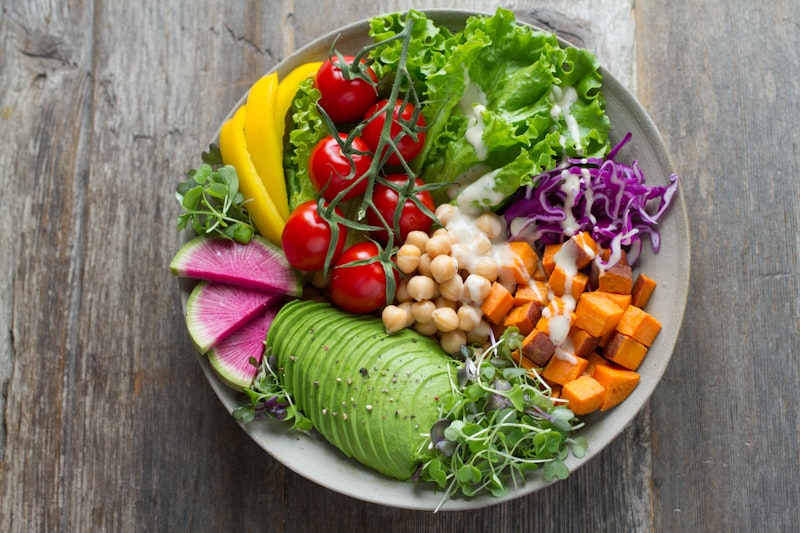
Smoky Black Bean & Sweet Potato Bowl
A weeknight staple that packs 18g of fiber per serving.
- 2 medium sweet potatoes, cubed and roasted
- 1 can black beans, drained and rinsed
- 1 cup brown rice or quinoa
- Smoked paprika, cumin, lime juice
- Top with avocado and pickled onions
Roast sweet potatoes at 425°F for 25 minutes. Season beans with smoked paprika and cumin, warm through. Serve over grain with all the toppings.
SnipDish tip: Use the recipe scaler to adjust portions if you're meal-prepping for the whole week — one tap and all measurements update.
Mediterranean Lentil Soup
Comforting, cheap, and clocks in at 16g of fiber per bowl.
- 1.5 cups green or brown lentils
- 1 can diced tomatoes
- 2 carrots, diced
- 1 onion, diced
- 4 cups broth
- Cumin, lemon, fresh parsley
Sauté onion and carrots, add lentils, tomatoes, broth, and cumin. Simmer 25 minutes until lentils are tender. Finish with lemon juice and parsley.
Overnight Oats with Berry-Chia Boost
The easiest breakfast that delivers 14g of fiber before you even leave the house.
- ½ cup rolled oats
- 1 tbsp chia seeds
- ¾ cup milk (any kind)
- ½ cup mixed berries (frozen works great)
- Drizzle of honey or maple syrup
Combine everything in a jar the night before. Grab it from the fridge in the morning. Done.
Meal Prep Makes It Stick
The biggest reason people fall off high-fiber eating? It takes a little planning. Beans need to be stocked, grains need to be cooked, vegetables need to be prepped.
The fix: batch cook on Sundays. Make a big pot of lentils or beans, roast a tray of sweet potatoes, and cook a batch of farro or quinoa. Store in containers and mix-and-match all week.
When you find recipes you want to keep coming back to, save them to your SnipDish library. Cook Mode walks you through each step hands-free — no smudging your phone screen with sticky fingers.
How to Track Your Fiber Intake
You don't need to obsess over numbers, but a rough daily awareness helps:
| Food | Fiber (approx.) |
|------|-----------------|
| 1 cup black beans | 15g |
| 1 medium avocado | 10g |
| 1 cup raspberries | 8g |
| 1 cup cooked lentils | 16g |
| 2 tbsp chia seeds | 10g |
| 1 medium sweet potato | 4g |
| 1 cup broccoli | 5g |
A realistic day might look like: overnight oats with chia for breakfast (14g) + lentil soup for lunch (16g) + black bean bowl for dinner (18g) = 48g fiber. That's fibermaxxing.The Bottom Line
Fibermaxxing isn't a fad diet or a complicated protocol. It's just... eating more plants, beans, and whole grains. The kind of food your grandparents ate before "superfoods" was a marketing term.
The trend has legs because people genuinely feel better — more energy, better digestion, fewer 3 PM crashes. And unlike most viral food trends, your doctor would actually approve.
Ready to start fibermaxxing? Search "high fiber" or "lentil soup" in SnipDish's SmartFind to discover recipes instantly — then save your favorites and scale them for meal prep. Your gut will thank you. 🥦