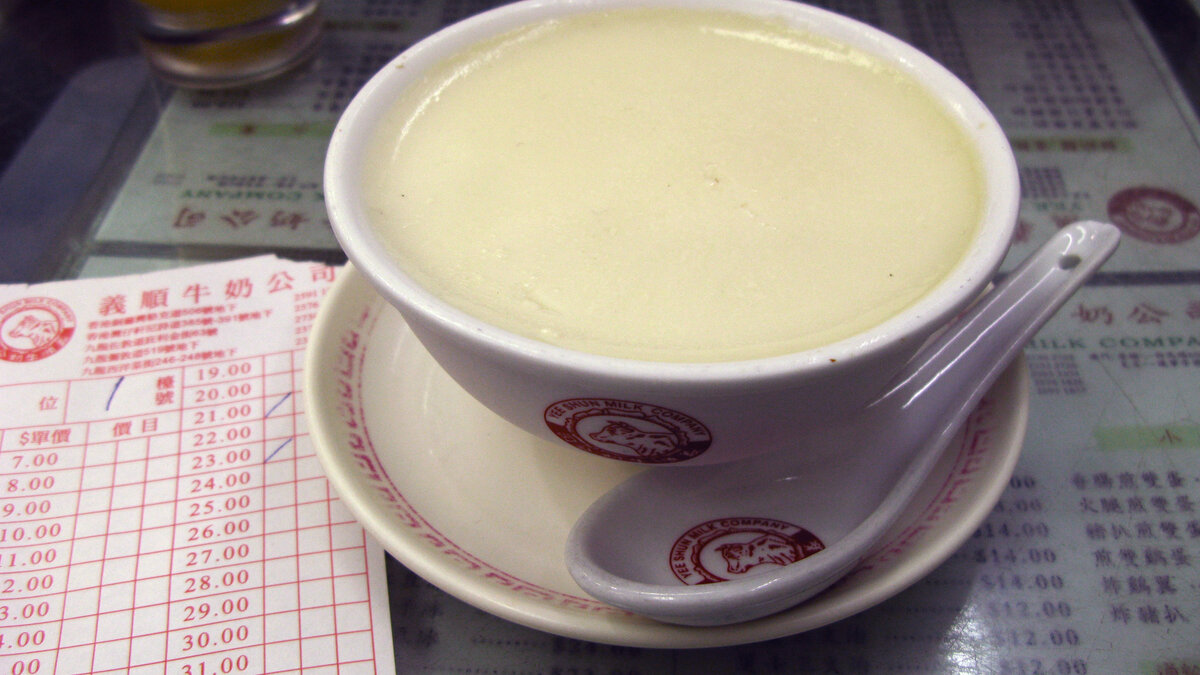
Ginger Milk Pudding: The 2-Ingredient Viral Dessert You Have to Try
There's a moment when you pour warm sweetened milk into a bowl of fresh ginger juice, walk away, and come back to find a silky, wobbling pudding staring back at you — no gelatin, no eggs, no cooking time required. It feels like a magic trick. It's actually chemistry. And right now, it's one of the most talked-about recipes on TikTok.
Meet ginger milk pudding — a classic Cantonese dessert known as 姜汁撞奶 (jiāng zhī zhuàng nǎi, literally "ginger juice clashes with milk") — that's gone completely viral in 2026. If you haven't made it yet, this weekend is your moment.
Why Is Everyone Making This Right Now?
A few things collided at once. Food creators discovered that fresh ginger juice acts as a natural coagulant for milk — and that the technique requires zero specialty equipment. No blender. No stove time. Two ingredients, one bowl, five minutes.
The visual payoff is massive too. The "clash" pour — where you stream hot milk from height into ginger juice — followed by the anxious wait and the gentle jiggle test — is pure TikTok gold. When it works, the reaction is immediate.
But beyond the virality, this dessert genuinely tastes incredible: warm, lightly sweet, subtly spicy, with a silky texture that lands somewhere between panna cotta and Greek yogurt. It's the kind of thing you make once and immediately want to share with everyone you know.
The Science (Because It's Too Cool Not to Explain)
Fresh ginger contains proteases — enzymes (specifically zingibain) that break down proteins. Whole milk is full of casein proteins. When warm milk hits fresh ginger juice at the right temperature, those enzymes trigger the casein to coagulate, forming a soft gel without any heat or added thickener.
Two things absolutely must be true for this to work:
- Use fresh ginger. Bottled ginger juice, powdered ginger, and cooked ginger all have deactivated enzymes. The reaction won't happen.
- Nail the milk temperature. Around 70–80°C (158–176°F) is the sweet spot. Too cold and the proteins won't react fast enough. Too hot (above 85°C / 185°F) and you'll kill the enzymes. Use a kitchen thermometer the first few times.
Once you understand the science, the recipe becomes intuitive.
The Recipe
Serves: 2 Time: 10 minutes active, 5–8 minutes to setIngredients
- 1 cup whole milk (must be whole — the fat content matters)
- 1–1.5 tablespoons fresh ginger juice (squeezed from about a 2-inch piece of peeled ginger)
- 1–2 teaspoons sugar, to taste
Tip: Older, mature ginger has more potent enzymes and a sharper flavor. Buy the knobby kind from an Asian grocery store if you can find it.
Instructions
Serve warm or let it cool slightly. Some people refrigerate it for a cold version, though the texture is best fresh.
Tips for Getting It Right Every Time
- Don't skip the thermometer your first time. Temperature is the #1 failure point.
- Room temperature bowls matter more than you'd think. Cold bowls cool the milk too fast before the reaction can fully complete.
- Test your ginger. Place a few drops of ginger juice on your palm and add a drop of cold milk. If it starts to thicken within a minute, your ginger is active enough.
- Don't stir after pouring. Seriously. Not even a little.
- If it fails: Your milk was too hot, too cold, or your ginger wasn't fresh. Try again — it usually takes one failed attempt before the method clicks.
Variations Worth Trying
Once you've nailed the base recipe, there's a lot of room to play:
- Honey instead of sugar — adds a floral sweetness that pairs beautifully with ginger
- A pinch of sea salt — amplifies all the flavors
- Oat milk or soy milk — some plant milks coagulate (soy in particular), though results vary. Stick to whole dairy for guaranteed results
- Topping with red bean paste or condensed milk drizzle — classic Cantonese serving style
- Chilled version — refrigerate for 30 minutes after setting for a cold, creamy pudding
Scaling Up for a Crowd
This is where things get interesting. The base recipe scales cleanly — just maintain the 1 tablespoon of ginger juice per cup of milk ratio. Making it for six people? Six tablespoons of ginger juice, six cups of milk. The trick is working quickly: pour all the bowls in rapid succession before the milk cools too much.
SnipDish tip: Use SnipDish's recipe scaling tool to adjust serving sizes on the fly — especially useful when you're hosting and need to scale the recipe up without doing the math on the spot. Save it to your collection once and scale it any time.
Why This Dessert Has Staying Power
Most viral food moments are one-and-done. You make the cloud bread, it deflates in six hours, you never make it again. Ginger milk pudding is different. It's rooted in a centuries-old Cantonese tradition, the flavor is genuinely addictive, and the technique rewards you with real knowledge about food science.
Once you understand why it works — enzymes, proteins, temperature — you start seeing food chemistry everywhere. That's what the best recipes do: they teach you something.
Now go get some ginger. You've been warned.
Save this recipe to your SnipDish collection and use Cook Mode to walk through it hands-free — no phone handling required while your hands are covered in ginger juice.