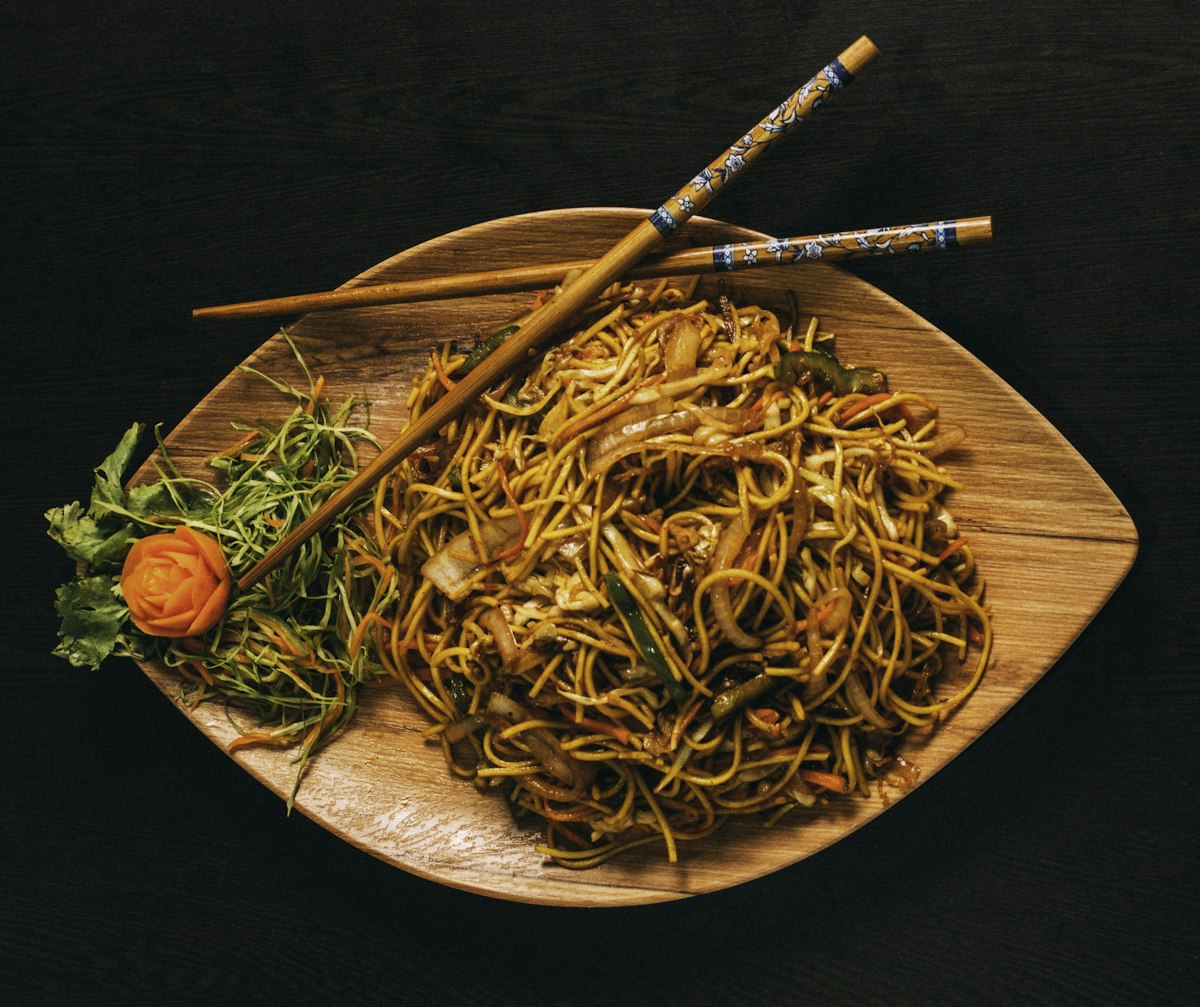
If you've been anywhere near a food account in the last few months, you've seen it: a bowl of glossy, fiery noodles with a sauce so simple it almost seems like cheating. Gochujang butter noodles have exploded across home kitchens for one very good reason — they're extraordinary for how little effort they require.
This is the weeknight dinner that converts people. The kind where someone takes a bite, pauses, and asks "what's in this?" And the honest answer — butter, gochujang, a splash of soy sauce, and noodles — sounds almost embarrassingly minimal. But that's the magic.
What Is Gochujang?
Gochujang (고추장) is a Korean fermented chili paste made from red chili peppers, glutinous rice, fermented soybeans, and salt. It's been a cornerstone of Korean cooking for centuries, but it's now a permanent fixture in American grocery stores and TikTok pantries.
What makes it different from other hot sauces: it's not just heat. Gochujang brings a deep, fermented funkiness — almost like miso — plus a subtle sweetness and serious umami depth. It's a full-flavored ingredient, not just a spice.
When you melt it into butter, something remarkable happens. The fat rounds out the heat, the soy sauce adds salt and depth, and the whole thing turns into a sauce that coats noodles like it was born to do exactly that.
The Base Recipe
This is the version worth memorizing. It works on any noodle — spaghetti, udon, ramen, rice noodles, lo mein — so use whatever you have.
Serves 2 (scales easily) Ingredients:- 6 oz noodles of your choice
- 2 tablespoons unsalted butter
- 1.5–2 tablespoons gochujang (start at 1.5, adjust for heat)
- 1 tablespoon soy sauce
- 1 teaspoon sesame oil
- 1 teaspoon honey or brown sugar
- 2 cloves garlic, minced
- 2 tablespoons pasta water (reserved)
- Toppings: sliced scallions, sesame seeds, a soft-boiled or fried egg
Total time: under 15 minutes, including boiling water.
Why This Works So Well
The genius of gochujang butter sauce is the flavor ratio. You have:
- Fat (butter) — carries flavor, coats the noodles, rounds out the spice
- Fermented depth (gochujang) — complex, funky, irreplaceable
- Salt and umami (soy sauce) — seasoning plus depth
- Brightness (sesame oil) — toasty finish that lifts everything
- Balance (honey) — neutralizes sharpness, ties it together
That's five components, and every one is doing real work. Nothing is filler.
Pasta water is the secret. The starchy water emulsifies the butter into the gochujang instead of them separating. Don't skip it.
Heat Level Customization
Gochujang varies significantly by brand. Sempio tends to be milder and sweeter. Haechandle is more savory. CJ Beksul is a common middle-ground. Most Korean grocery stores carry all three.
If you're heat-sensitive, start with 1 tablespoon and add from there. The honey and butter keep it very manageable. If you want more fire, add a pinch of gochugaru (Korean red pepper flakes) alongside the paste.
Variations Worth Trying
Protein add-ins:- Shrimp: toss raw shrimp in the pan before adding pasta water, cook 2 minutes per side, then proceed
- Ground pork or beef: brown it first, drain fat, then build the sauce in the same pan
- Crispy tofu: cube firm tofu, pan-fry until golden, fold in at the end
- Baby spinach wilted directly into the hot sauce
- Roasted broccoli or broccolini tossed in at the end
- Thinly sliced zucchini sautéed with the garlic
Meal Prep Notes
The sauce stores well — you can make a bigger batch and refrigerate it for up to a week. Just warm it gently in a pan with a splash of water and add freshly cooked noodles when you're ready to eat.
Tip for meal preppers: The sauce-to-noodle ratio matters more when reheating. Make extra sauce, store separately, and combine with fresh noodles for best texture.
Scaling this recipe is where a tool like SnipDish's scaling feature really earns its keep — if you're feeding four people or batch-prepping for the week, the ingredient ratios auto-adjust so you're not doing the math yourself. You also get Cook Mode, which keeps the recipe locked on screen while you work through each step without accidentally closing your browser.
Why This Trend Has Staying Power
Most viral food moments fade because they depend on novelty. Gochujang butter noodles are different because they're genuinely better than most things you can make in under 15 minutes. Once you understand the flavor logic — fermented paste + fat + umami + balance — you start applying it everywhere. Gochujang butter salmon. Gochujang butter roasted potatoes. Gochujang butter scrambled eggs.
It's less a recipe and more a technique you internalize. And that's what separates a trend worth paying attention to from one you scroll past.
Ready to make it your own? Save the recipe to SnipDish, scale it for your household size, and flip on Cook Mode so the instructions stay front and center while you cook. Find it under SmartFind by searching "gochujang noodles."