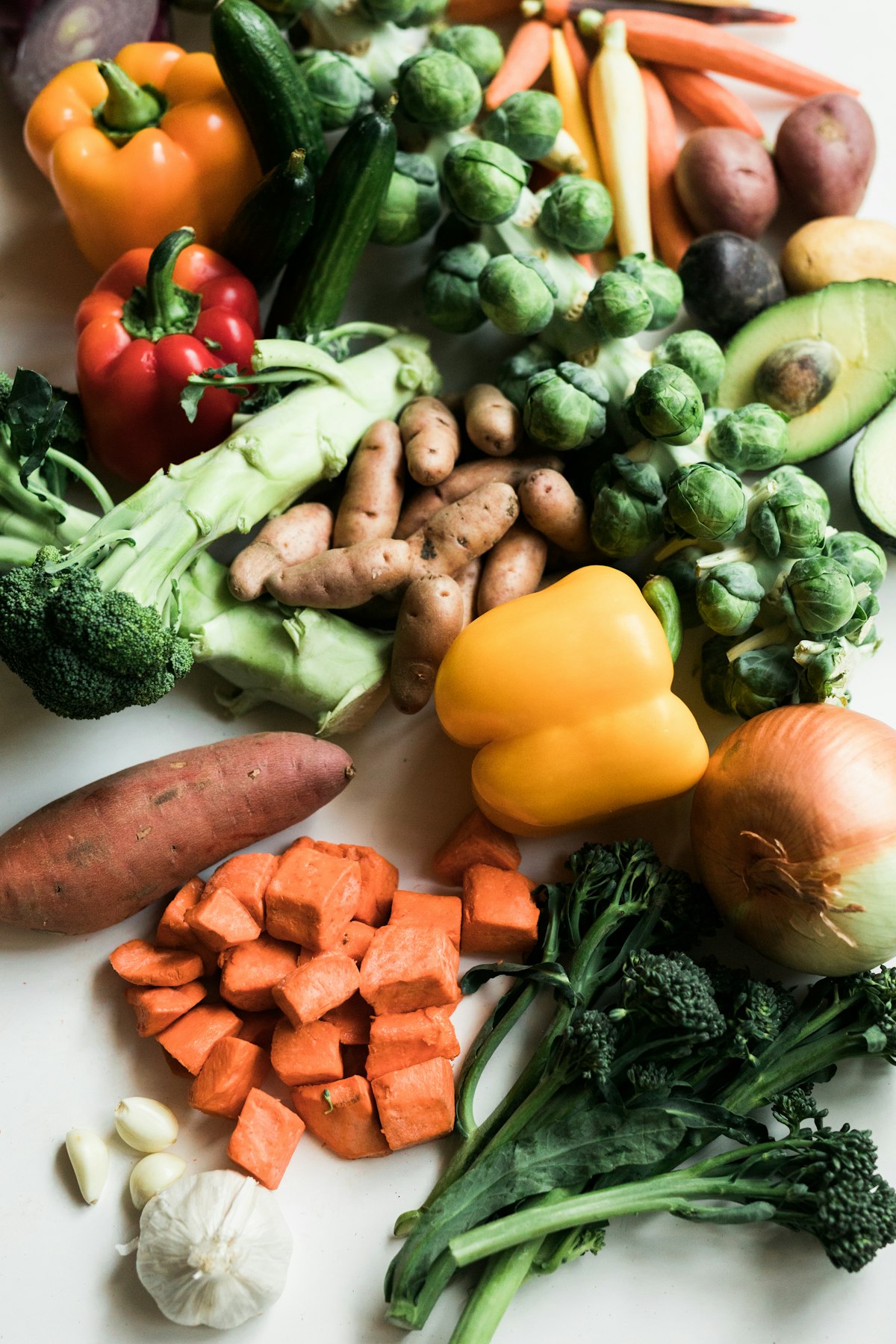
Fermented Foods Are Having a Moment — Here's How to Get In on It
Walk through any farmers market, scroll any food account, or browse a grocery store fridge section right now and you'll notice something: fermented foods are everywhere. Kimchi is stacked next to sriracha. Kombucha outsells soda. Yogurt-based sauces have replaced ranch. Fermented hot sauces are winning condiment of the year by a wide margin.
This isn't a passing trend. In 2026, gut health is the wellness story, and home cooks are finally catching up to what the science has been saying for years.
Why Your Gut Deserves More Attention
Your gut is home to roughly 38 trillion bacteria — collectively called the gut microbiome. These microbes influence digestion, immune function, inflammation, mood, and even how well you sleep. When the balance tips toward unhealthy bacteria, you feel it: bloating, sluggishness, poor immunity, and inconsistent energy.
The good news? Food is one of the most direct ways to support a healthier microbiome.
The key players: Fermented foods are rich in live cultures — beneficial bacteria that help diversify and strengthen your gut ecosystem. More diversity generally means better function across the board.
Research published in 2021 (and replicated widely since) showed that a diet high in fermented foods increased microbiome diversity and reduced markers of inflammation more effectively than a high-fiber diet alone. That finding lit the fuse on a trend that's now fully mainstream in 2026.
Fermented Foods You Can Make at Home
You don't need special equipment, advanced skills, or a full weekend. These three are the best starting points for beginners.
Quick Pickled Onions
This is the easiest fermented food you'll ever make — and arguably the most versatile. Pickled onions hit everything: tacos, grain bowls, sandwiches, burgers, roasted vegetables.
What you need:- 1 large red onion, thinly sliced
- 1/2 cup apple cider vinegar
- 1/2 cup warm water
- 1 tablespoon sugar
- 1 teaspoon salt
This is technically a quick pickle rather than a lacto-ferment, but it delivers brightness, probiotics (from raw ACV), and that same tangy punch. Start here.
Simple Sauerkraut
Real sauerkraut — the kind with live cultures — takes about five days and almost no effort. Store-bought pasteurized versions don't count; the heat kills the bacteria.
What you need:- 1 medium head green cabbage (~2 lbs)
- 1 tablespoon non-iodized salt (kosher or sea salt)
The only rule that matters: keep the cabbage below the brine. Exposure to air causes mold, not fermentation.
Yogurt-Based Sauces
Full-fat plain yogurt with live active cultures is one of the easiest fermented foods to incorporate daily — and it doubles as a sauce base that works across cuisines.
A simple formula:- 1 cup full-fat plain Greek yogurt
- 1–2 cloves garlic, grated
- Juice of half a lemon
- Salt to taste
- Fresh herbs (dill, mint, parsley, cilantro — pick your direction)
Drizzle this over roasted vegetables, grilled chicken, falafel, or grain bowls. Swap the herbs and garlic for different flavor profiles: go Middle Eastern with mint and cucumber (tzatziki), go South Asian with cumin and coriander, or go simple with just lemon and dill.
The yogurt brings creaminess, acidity, and live cultures all in one move.
How to Actually Eat This Stuff Every Day
Making fermented foods is easy. The harder part is building the habit of using them consistently. Here's how to make them stick:
Treat them like condiments. A jar of pickled onions or sauerkraut in the fridge should be as automatic as reaching for hot sauce. Put them at eye level. Use them as a default finish on anything savory. Add to bowls, not recipes. The lowest-friction path is topping grain bowls, scrambled eggs, avocado toast, or salads with a spoonful of something fermented. No recipe required. Use kombucha as a beverage swap. If you're drinking soda or juice daily, replace one with kombucha. You get the carbonation and sweetness without the sugar load, plus a live culture dose. Build one fermented element into every dinner. Even a small spoonful of kimchi on the side, or a yogurt sauce on the protein, counts. Consistency beats quantity.Beginner tip: Start with one fermented food and eat it daily for two weeks before adding another. Your gut needs time to adjust, and some people experience temporary bloating when they first increase their intake. Go slow.
Storage Tips That Actually Matter
- Refrigerate after fermenting. Cold temperatures slow the fermentation process without killing the cultures. Sauerkraut and kimchi keep for 3–6 months refrigerated.
- Always use clean utensils. Introducing outside bacteria or oils can contaminate your batch. Wipe the rim of the jar clean after each use.
- Watch the brine level. For sauerkraut and kimchi, if the vegetables rise above the brine, press them back down. If brine evaporates, make a 2% saltwater solution (1 tsp salt per cup of water) and top it off.
- Glass over plastic. Acidic ferments can leach chemicals from plastic over time. Mason jars are cheap and perfect.
- Trust your nose. Fermented foods smell sour and funky — that's correct. If something smells putrid or rotten (not just sharp and sour), discard it.
Bringing It Together in the Kitchen
Once you have a few fermented staples on hand, the possibilities multiply fast. Kimchi fried rice. Sauerkraut-topped avocado toast. Yogurt-dressed roasted cauliflower. Pickled onion tacos. A kombucha vinaigrette (yes, it works).
If you're scaling any of these up — doubling a sauerkraut batch, tripling a yogurt sauce for a dinner party — SnipDish's recipe scaling handles the math instantly so you don't have to think about it. And if you're mid-cook and need hands-free reference, Cook Mode keeps the recipe visible without the screen going dark.
The barrier to entry here is lower than it looks. A jar of cabbage and a tablespoon of salt is all it takes to start.
Ready to start building fermented foods into your weekly rotation? SnipDish makes it easy to save your favorites, scale recipes up or down, and discover new ways to use what's already in your fridge. Give it a try and see what your gut has been missing.