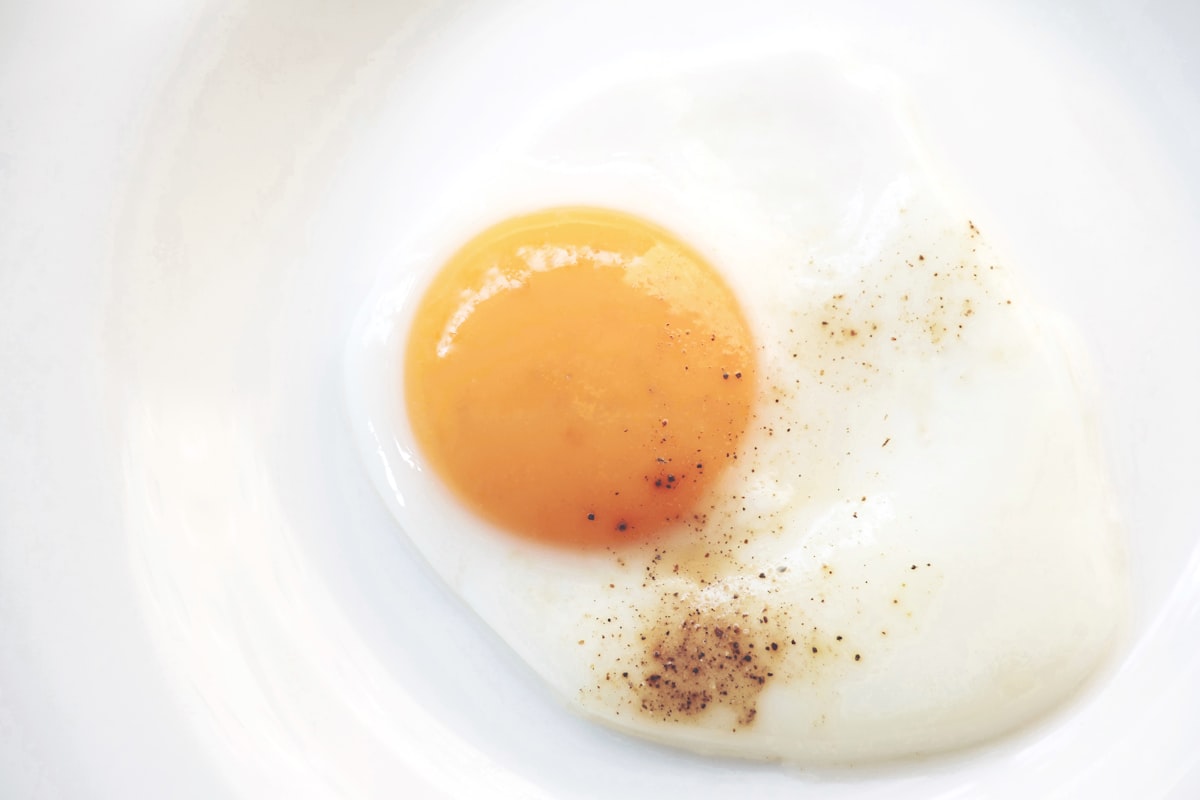
The Viral Japanese Egg Hack: How to Cook Perfect Eggs in Your Microwave
If you've been on TikTok, Instagram, or YouTube in the last few weeks, you've probably seen it: someone cracks an egg into a bowl of water, pops it in the microwave for 20 seconds, and pulls out a flawless sunny-side-up egg. No pan, no oil, no mess.
It's called the Japanese Egg Hack, and it's the most viral cooking trick of early 2026. But does it actually work? And is it safe? Let's break it all down.
What Is the Japanese Egg Hack?
The technique is disarmingly simple:
The method has roots in Japanese home cooking, where simplicity and precision are everything. It's essentially a quick-poached egg — the water absorbs microwave energy evenly, cooking the egg gently instead of blasting it with direct heat (which is why microwaving eggs without water usually ends in disaster).
Does It Actually Work?
Yes — with caveats. After testing it ourselves (many, many times), here's what we found:What works:
- The yolk stays beautifully runny when you nail the timing
- Cleanup is genuinely effortless
- It's faster than heating a pan
- Great for dorm rooms, offices, or when you just can't deal with dishes
What to watch out for:
- Microwave wattage matters hugely. A 700W microwave needs more time than a 1200W one. Start at 20 seconds and add 5-second intervals.
- The egg can still pop if you skip the water or use too-high power. Always use medium power (50–70%).
- Prick the yolk with a toothpick before microwaving for an extra safety margin. This releases pressure and prevents explosions.
- Use room-temperature eggs for more consistent results. Straight-from-the-fridge eggs cook unevenly.
Pro tip: If your egg white is still translucent after 30 seconds, give it another 10. Overcooked white is better than raw white — and the yolk is more forgiving than you'd think.
Beyond the Basic Hack: 5 Ways to Level It Up
Once you've mastered the basic technique, try these variations:
1. The Ramen Egg Drop
Crack an egg into your leftover ramen broth, microwave for 2–3 minutes, and you've got a silky egg-drop soup situation that's absurdly satisfying.
2. The José Andrés Microwave Omelet
Celebrity chef José Andrés recently shared his own microwave egg method: whisk eggs with a spoonful of mayo (yes, mayo), microwave for 60–90 seconds, and fold. The mayo adds fat and emulsifiers for an impossibly fluffy result.
3. Egg-Topped Rice Bowls
Microwave your egg using the Japanese hack, then slide it onto a bowl of hot rice with soy sauce, sesame oil, and furikake. Five-minute lunch.
4. Shakshuka for One
Spoon some leftover tomato sauce into a mug, crack an egg on top, and microwave for 60–90 seconds. Single-serving shakshuka, no skillet required.
5. The Breakfast Sandwich Shortcut
Microwave-poach an egg, slide it onto a toasted English muffin with cheese and whatever protein you have. Total time: under 3 minutes.
Safety First: The Real Talk
Let's address the elephant in the room — microwaved eggs can explode. It happens when steam builds up inside the yolk with no way to escape. Here's how to prevent it:
- Always use water. The water-bath method is specifically designed to prevent this.
- Always use medium power. Full power heats too aggressively.
- Prick the yolk. A toothpick hole lets steam escape safely.
- Let it rest. After microwaving, let the egg sit for 10–15 seconds before handling. Superheated water can cause delayed eruptions.
- Never microwave an egg in its shell. This is a hard rule — shell-on eggs will absolutely explode.
Follow these guidelines and you'll be fine. Skip them and you'll be cleaning egg off the inside of your microwave for a while.
Scaling Up for a Crowd
The hack works beautifully for one egg, but what about weekend brunch for four? You've got a couple of options:
- Multiple bowls: Prepare 2–3 bowls at once. You'll need to add 10–15 seconds per additional egg.
- The assembly line: Microwave eggs one at a time (they only take 30 seconds each) and keep finished ones warm under a plate.
If you're working from a recipe that calls for poached eggs — eggs Benedict, grain bowls, noodle soups — this trick is a massive time-saver. And if you're using SnipDish to save that recipe, the recipe scaling feature automatically adjusts quantities when you need to make more, so you can scale your grain bowl recipe from 2 to 6 servings without any mental math.
Why This Hack Hit Different
Every year brings viral food trends, but the Japanese egg hack resonates because it solves a genuine problem. Cooking eggs well is surprisingly hard. Poaching eggs traditionally requires simmering water, vinegar, a vortex technique, and a prayer. This method skips all of that.
It's the kind of trick you save to your recipe collection and actually use every week. If you're building a library of go-to techniques like this, SnipDish's SmartFind makes it easy to search across all your saved recipes by ingredient or method — so the next time you're wondering "what was that microwave egg trick again?", it's one search away.
The Bottom Line
The Japanese egg hack is legit. It's fast, it's easy, and it produces genuinely good eggs once you dial in your microwave's timing. Is it going to replace a properly poached egg from a skilled brunch chef? No. But for a Tuesday morning when you want a runny egg on toast without washing a pan? It's unbeatable.
Give it a try this weekend. Start with 20 seconds on medium power, adjust from there, and enjoy the simplest perfect egg of your life.
Got a favorite quick egg recipe? Save it to SnipDish and have it ready whenever you need it — complete with Cook Mode to keep your screen awake while you're hands-deep in breakfast.