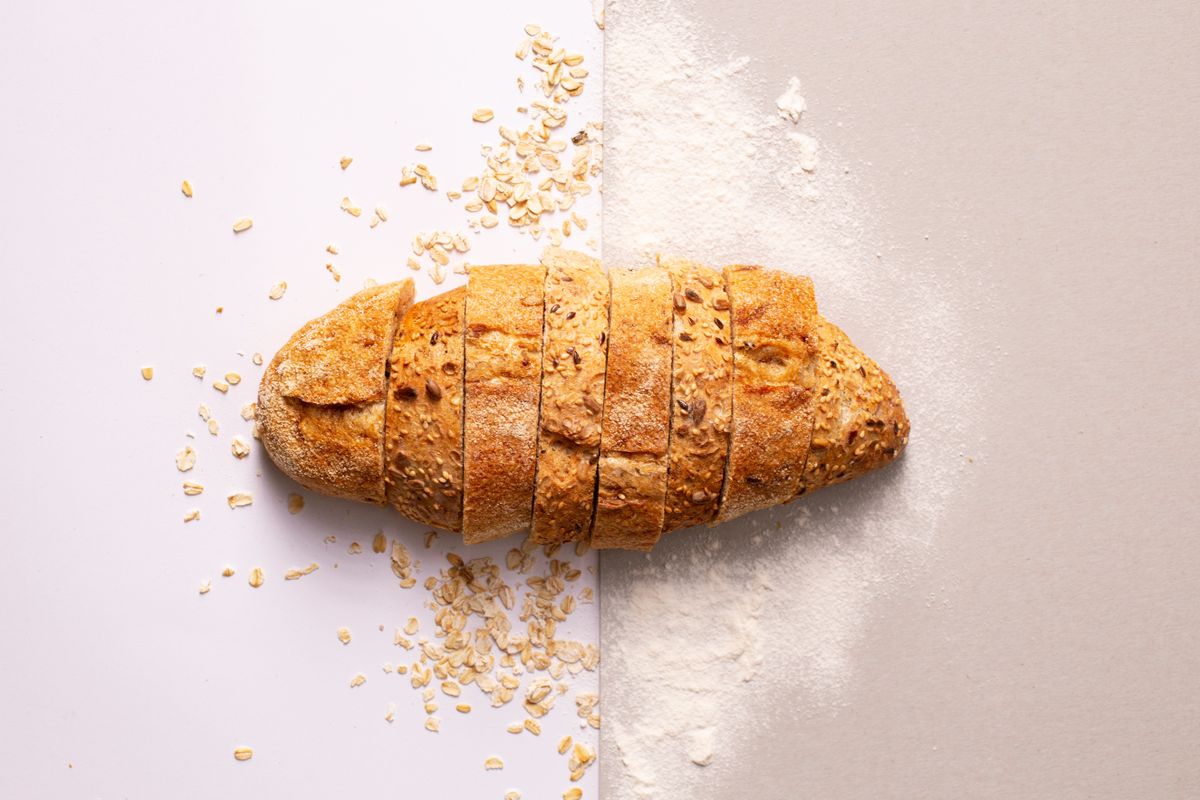
Japanese Salt Bread (Shio Pan) Is the Viral Bakery Roll Everyone's Making at Home This Summer
Walk into any Japanese bakery and you'll find shio pan stacked near the register. They look almost unremarkable: small crescent-shaped rolls with a golden crust and a sprinkle of flaky salt on top. Then you pull one apart and everything changes. The inside is soft and pillowy, the bottom is crackling-crispy from butter that melted right into the pan, and there's this hollow buttery pocket in the center that somehow makes the whole thing feel indulgent without being heavy.
Shio pan has been a Japanese bakery staple for years. But right now, in summer 2026, it's going viral in Atlanta bakeries, trending on TikTok, and showing up in home kitchens across the US. The reason is simple: once you understand the technique, it's genuinely approachable. And the payoff is enormous.
What Makes Shio Pan Different
Most bread recipes separate the fat from the dough. Croissants laminate butter in layers. Brioche folds it into the dough. Shio pan does something smarter and simpler: you roll a small log of cold butter directly into each piece of dough before shaping.
As the rolls bake, that butter melts and steams from the inside. It crisps the bottom against the baking sheet, creates a tender crumb inside, and leaves behind a small pocket of richness in the center. The flaky salt on top cuts through all that butteriness so the roll never feels overwhelming. The result is a bread that's simultaneously crispy, chewy, buttery, and light.
It's a different eating experience than a Parker House roll or a dinner roll. The contrast in textures is the whole point.
The Basic Technique
The dough itself is a standard enriched bread dough. Nothing unusual: flour, milk, a little sugar, butter, eggs, yeast, and salt. The enrichment keeps the crumb soft while the exterior gets its crunch from direct contact with butter in the pan.
Here's the actual method:
Make the dough. Mix your flour, warm milk (around 100°F), sugar, salt, one egg, active dry yeast, and a few tablespoons of softened butter. Knead until smooth and slightly tacky, about 8-10 minutes by hand or 5-6 with a stand mixer. Let it rise until doubled, roughly 1 to 1.5 hours. Shape with butter inside. Divide the dough into 8 equal pieces. Roll each one into a rough triangle shape. Place a small log of cold butter (about one teaspoon, chilled) at the wide end of the triangle, then roll the dough over it toward the point. Tuck and seal the ends. The butter stays cold so it doesn't just absorb into the dough before baking. Second rise. Arrange the rolls seam-side down on a parchment-lined baking sheet, curved into a slight crescent. Let them puff for another 45-60 minutes. Egg wash and salt. Brush with a mixture of egg and milk. Then hit them with flaky sea salt. Maldon or fleur de sel works well here. Don't use fine table salt or it disappears into the crust without any texture. Bake hot. 375°F for about 15-18 minutes until deep golden brown. The bottom should be genuinely crispy when you lift one with a spatula.What Can Go Wrong (and How to Fix It)
The butter leaking out is the most common frustration for first-timers. A few things cause it:
The butter was too warm when you shaped the rolls. Cold butter is the whole trick. If yours is softening too fast in a warm kitchen, pop the logs in the freezer for 10 minutes before you start shaping.
The dough was rolled too thin around the butter. You want a solid seal. Pinch the seams firmly and keep the dough thick enough that the butter can't push through as it melts.
The rolls were placed too close together on the pan. They need space to expand without fusing. Aim for at least 2 inches between them so the heat circulates and the bottoms crisp properly.
Getting this right on the first try is satisfying. The second batch is usually near-perfect.
Scaling for a Crowd
Shio pan is one of those recipes where making more is barely more work. The dough scales cleanly, the shaping is repetitive in a meditative way, and the rolls stay good for about a day before the bottom loses its crunch. If you're making them for a gathering, a double batch of 16 rolls bakes in roughly the same total time across two pans.
SnipDish's recipe scaling tool makes this easy. Pull up a shio pan recipe, hit the scaling button, and it recalculates every ingredient proportionally. No mental math required. If you're baking for eight people or twenty, the numbers adjust without you having to think about it.
Ways to Serve Them
Fresh out of the oven is the obvious answer. The crunch on the bottom is at its peak, the interior is still slightly warm, and the butter aroma is genuinely unreasonable.
They also work well alongside soup or a summer salad in place of standard dinner rolls. The saltiness and butteriness make them pair well with something acid-forward, like a gazpacho or a bright vinaigrette salad.
Some people split them and use them as slider buns. The hollow interior from the butter pocket holds up better than most soft rolls when you put a patty or pulled meat inside.
Why This Trend Makes Sense Right Now
There's been a broader shift toward Japanese baking techniques over the past year or two. The tangzhong method took off, milk bread went from niche to mainstream, and now shio pan is following the same path. Japanese baking tends to prioritize texture and contrast over richness alone, which resonates with home bakers who want something that feels special without being cloyingly heavy.
Salt bread also hits the spot as a summer baking project. The oven time is short, the individual roll format means it's easy to share, and the result photographs beautifully, which doesn't hurt when you're deciding what to spend a Sunday afternoon making.
If you've been curious, this is the week to try it. The technique clicks fast, and the outcome is one of those things you'll genuinely be proud of.
Ready to bake? Save the recipe to SnipDish, adjust it to your batch size, and flip on Cook Mode to keep your screen awake while your hands are covered in dough.