Stop Reheating, Start Rebuilding: The Leftover Makeover Trend Taking Over Home Kitchens
Here's a quiet truth most home cooks know: reheated leftovers are never as good as the original. The pasta gets gummy, the chicken dries out, the roasted vegetables go limp. So we do the sensible thing — we scrape the containers, tell ourselves we'll do better next week, and order takeout.
But in 2026, food culture is pushing back on that cycle in a big way. The trend isn't about eating the same meal twice. It's about rebuilding — taking cooked proteins, grains, and vegetables and transforming them into something that feels entirely new through changes in texture, format, temperature, and sauce.
It's practical. It's satisfying. And once you learn a few core techniques, it'll change how you cook every single week.
Why "Leftover Reinvention" Is Having a Moment
The rise of this trend isn't accidental. It's being driven by a few intersecting forces:
- Budget pressure — grocery prices have climbed steadily, and wasting food feels worse than it used to
- Anti-food-waste culture — environmental awareness around food waste has gone mainstream
- The "grandma's kitchen" nostalgia wave — people are returning to cooking philosophies built around using everything
The result is a generation of home cooks who are learning to look at a container of leftover roasted chicken not as "last night's dinner" but as building material.
The Rebuild Formula
Successful leftover makeovers follow a consistent pattern. Once you internalize it, you can improvise endlessly.
1. Change the Temperature
One of the simplest and most effective moves: take something that was served hot and serve it cold (or vice versa). Cold roasted salmon becomes the base of a bright grain salad. Yesterday's warm lentil soup becomes a cold dip with a drizzle of olive oil and some flatbread. Temperature shift = perception shift.
2. Change the Format
This is the biggest unlock. A protein served as an entrée becomes completely different when:
- Shredded into tacos, grain bowls, or fried rice
- Sliced thin and layered in a sandwich or flatbread
- Chopped and mixed into a frittata or egg scramble
- Blended into a sauce, dressing, or soup base
Leftover braised short ribs? Pull them apart and pile them into a quesadilla with pickled jalapeños. Roasted sweet potatoes? Mash them into a bowl with tahini and top with a crispy fried egg.
3. Introduce a New Sauce
This is non-negotiable. Last night's sauce is what made last night's meal taste like last night. For the makeover, you need something new — ideally something with acid or brightness to wake everything up.
A few quick options:
- Gochujang mayo — spicy, creamy, works on almost everything
- Lemon-herb yogurt — tangy, cooling, great with roasted veg and lamb
- Crispy chili oil — adds heat and texture to grains and noodles
- Miso-butter — rich and umami-forward, makes plain rice feel luxurious
- Simple vinaigrette — acid goes a long way when you're waking up yesterday's proteins
4. Add One Crunchy Element
Texture contrast is the thing that makes a cobbled-together leftover bowl feel intentional. A handful of toasted seeds, some crushed crackers, quick-fried shallots, or even just raw sliced cucumber adds the crunch that makes everything feel considered.
Rebuilds That Actually Work
Here are five high-yield leftover transformations to try this week:
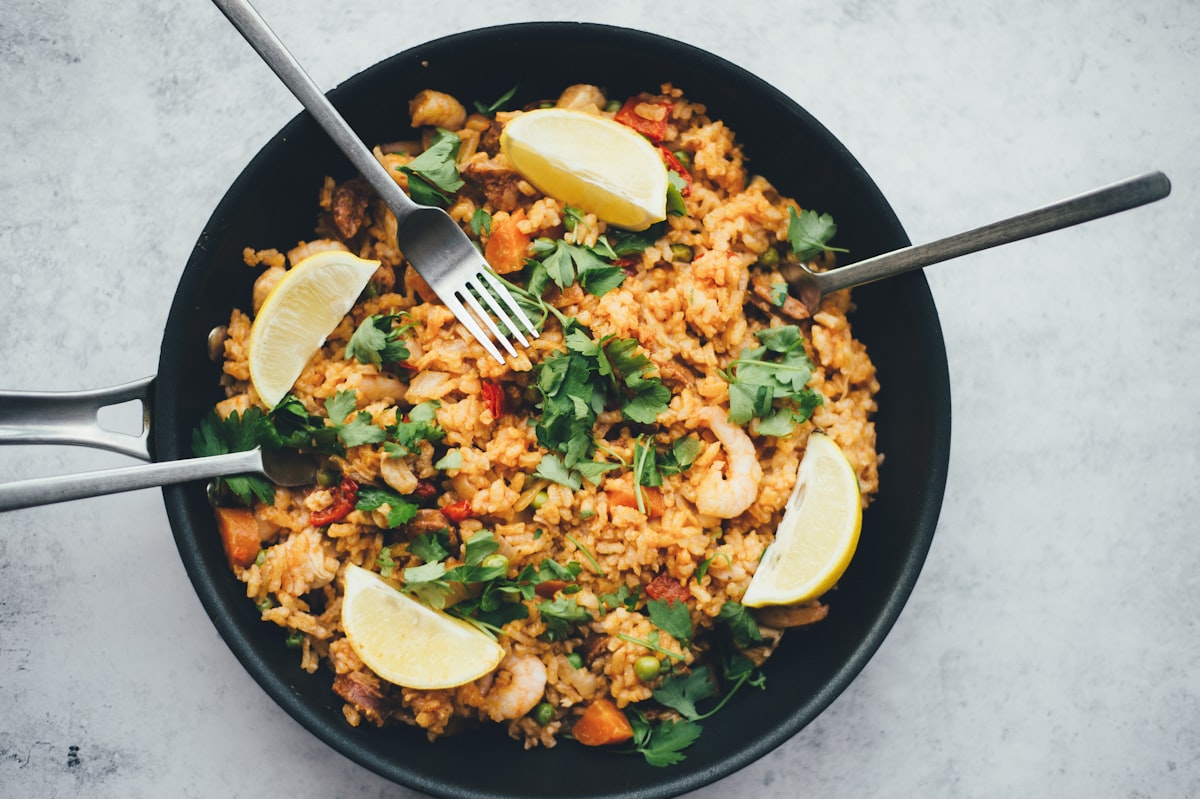
Roasted chicken → Chicken fried riceDay-old rice is actually better for fried rice (less moisture). Shred the chicken, scramble in some eggs, add soy sauce and sesame oil, and you've got a 10-minute dinner that beats the original.
Grilled salmon → Salmon grain bowlFlake cold salmon over warm farro or quinoa with cucumber, avocado, and a miso-ginger dressing. Feels like a restaurant lunch.
Braised beef or pork → TacosAny slow-cooked, pull-apart protein becomes taco filling. Heat tortillas, add the meat, top with pickled onions and fresh cilantro. Done.
Roasted vegetables → FrittataBeat 6 eggs with a splash of cream, fold in whatever roasted veg you have (peppers, zucchini, broccoli, sweet potato), pour into an oven-safe skillet, top with cheese, and bake at 375°F for 15-18 minutes. Breakfast, lunch, or dinner.
Leftover pasta → Crispy pan-fried pasta cakePack cold pasta into a skillet with a generous amount of olive oil and press flat. Cook on medium-high until the bottom is golden and crisp, flip carefully, repeat. Slice like a frittata and serve with a simple arugula salad.
The Pantry Items That Make It Possible
The key to successful leftover rebuilds is having a reliable pantry. You don't need a lot — just a set of ingredients that can transform plain proteins and grains into something new:
- Acids: rice wine vinegar, sherry vinegar, lemon and lime juice
- Umami boosters: soy sauce, miso paste, fish sauce, Worcestershire
- Heat: gochujang, chili crisp, sriracha, harissa
- Fat: good olive oil, tahini, sesame oil, butter
- Aromatics: garlic, ginger, scallions (these go in almost everything)
- Texture: toasted sesame seeds, panko breadcrumbs, nuts, quick-pickled anything
With these on hand, you're rarely more than 15 minutes away from a meal that feels intentional.
How SnipDish Makes Leftover Cooking Smarter
This is exactly where the SmartFind feature in SnipDish earns its keep. Instead of Googling "what to make with leftover roasted chicken and rice" and wading through a dozen recipe blogs, SmartFind lets you search by the ingredients you actually have on hand.
Tap in your leftovers and pantry staples, and it surfaces recipes that use what's already in your fridge — no extra grocery run required.
And when you do find a recipe you love, SnipDish's recipe scaling means you can size it up or down based on exactly how much leftover protein you're working with. Half a cup of shredded pork? Scale the taco recipe for two. A full rotisserie chicken? Scale up for the whole family.
Cook Mode keeps you hands-free while you actually cook — no tapping back and forth on a grease-spotted screen.
Start Small, Build a Habit
You don't need to overhaul your whole approach to cooking. Start with one rule: every Sunday, look at what's left in the fridge before you plan new meals.
What proteins did you cook this week? What grains? What vegetables are starting to turn? Plan one or two "rebuild" meals around them before you default to buying fresh.
Over time, this single habit reduces food waste, lowers your grocery bill, and — maybe most importantly — makes you a more intuitive, creative cook. Because rebuilding from constraints forces you to improvise. And improvisation is how you actually get good in the kitchen.
Last night's roasted chicken is just tomorrow's fried rice waiting to happen. Treat your leftovers like building materials, and you'll never see them the same way again.
Ready to make leftover cooking smarter? Try SnipDish free — search by ingredients, scale any recipe, and cook hands-free.