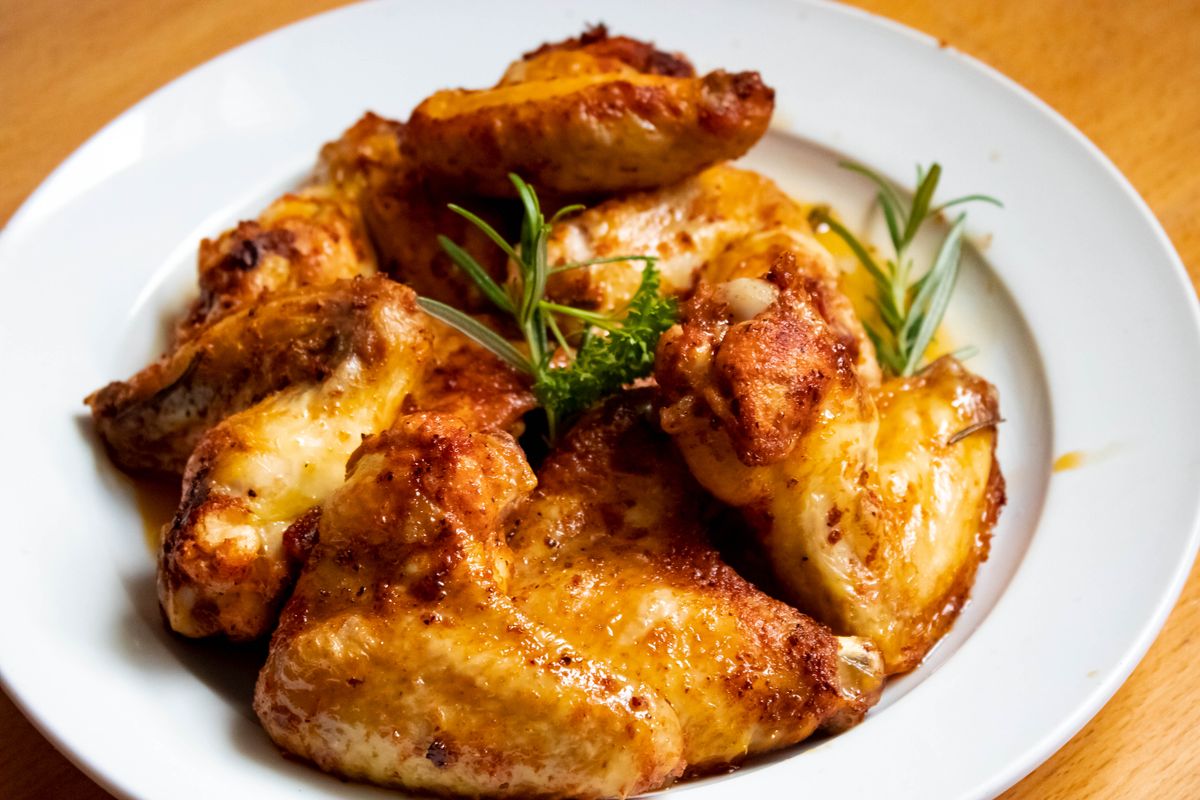
The One Grilling Trick That Finally Makes Chicken Breast Worth It
Chicken breast has a reputation problem. Grill it wrong and you get something that belongs on a sad desk salad, not a backyard plate. Dry, tough, stuck to the grates. Most people just accept this as the cost of choosing the lean option.
There's a fix. And it's already in your fridge.
Mayonnaise. A thin layer, rubbed all over the chicken before it ever touches the grill. The results are genuinely different, juicy and lightly charred with a crust that doesn't pull off when you flip it. This technique has been quietly used by professional grill cooks for years, and this summer it's finally getting the mainstream attention it deserves.
Why It Actually Works
This isn't a gimmick. There's real science behind why mayo outperforms oil, butter, and most marinades when it comes to grilling chicken.
Mayonnaise is an emulsion, which means fat and water are already bonded together in a stable coating. When that hits a hot grill, the water content slows down the initial sear just enough to let the inside come up to temperature before the outside burns. The fat (from the oil in the mayo) then takes over and produces browning. You get a crust without the char.
The egg proteins in mayo also bind to the surface of the meat. That's what makes the coating stick rather than slide off into the fire like a thin oil baste tends to do. Less flare-up, less sticking, more even cooking.
And because the fat is already evenly distributed across every square inch of the surface, you don't end up with hot spots where the coating missed.
How to Do It
The technique is almost offensively simple:
- Pat your chicken dry with paper towels first. Moisture is the enemy of browning.
- Use about a tablespoon of mayo per breast, less than you think you need.
- Rub it all over, including the edges. Thin and even, not goopy.
- Season on top of the mayo layer with salt, pepper, and whatever else you like.
- Grill over medium-high heat. Flip once. Don't rush it.
The mayo doesn't taste like mayo once it's cooked. It fades into the background and just leaves behind a well-browned, juicy piece of chicken. You won't be able to identify it in a blind taste test.
Flavor Variations That Actually Work
Plain mayo with salt and pepper is the baseline, and it's already excellent. But the coating is also a great vehicle for building flavor before the chicken ever hits the grill.
Herb and garlic: Mix fresh minced garlic, chopped rosemary, and a little lemon zest into the mayo before applying. This one goes especially well with vegetables on the side. Smoky chipotle: Stir a spoonful of chipotle in adobo into the mayo. Smoked paprika works too if you want heat without the canned pepper. Great with a corn and black bean situation. Miso and ginger: A teaspoon of white miso and a small knob of grated ginger turn the mayo into something genuinely complex. Pairs naturally with sesame noodles or rice. Harissa: North African chili paste mixed into the mayo produces a deep, earthy heat. One of the better options if you want something that doesn't read as summery-standard. Caesar-style: Mayo, lemon, parmesan, and a little Worcestershire. You already know this works because it's essentially just Caesar dressing doing what Caesar dressing does.Scaling for a Crowd
This is where things get useful. The mayo technique is linear. One tablespoon per breast. That's it. Doesn't matter if you're cooking two or twenty.
If you're hosting a backyard situation and feeding a group with different heat tolerances, prep a few bowls of flavored mayo and label them. Let people pick their version before you coat. Everyone gets exactly what they want, and you're not managing six different marinades or remembering who ordered what.
SnipDish's recipe scaling handles this automatically. Pull up any chicken recipe, scale it to your headcount with one tap, and the ingredient quantities adjust in real time. No mental math while you're already juggling the grill.
A Few Things Worth Knowing
Don't use light mayo. The reduced fat content means less browning and a slightly different texture. Full-fat is the move.
Room temperature chicken cooks more evenly than cold chicken straight from the fridge. Pull it out 20 minutes before you grill.
If you're cooking thighs instead of breasts, the technique still works, but they're more forgiving to begin with. Breasts are where the mayo trick makes the biggest difference because they have so little fat of their own.
Let the chicken rest for five minutes before cutting. This matters with any grilling method, but it's especially true here. The juices redistribute and you don't lose them all on the cutting board.
Try It Tonight
You don't need anything special. One chicken breast, a spoonful of mayo from the jar in your door, and a hot grill. That's the whole setup.
If you want to build out a full recipe around it, SmartFind on SnipDish can surface grilled chicken recipes that work with whatever else you've got going this week. Filter by cook time, dietary needs, or what's already in your kitchen.
Chicken breast might finally be the thing you're genuinely excited to put on the grill this summer. It just took mayo to get there.