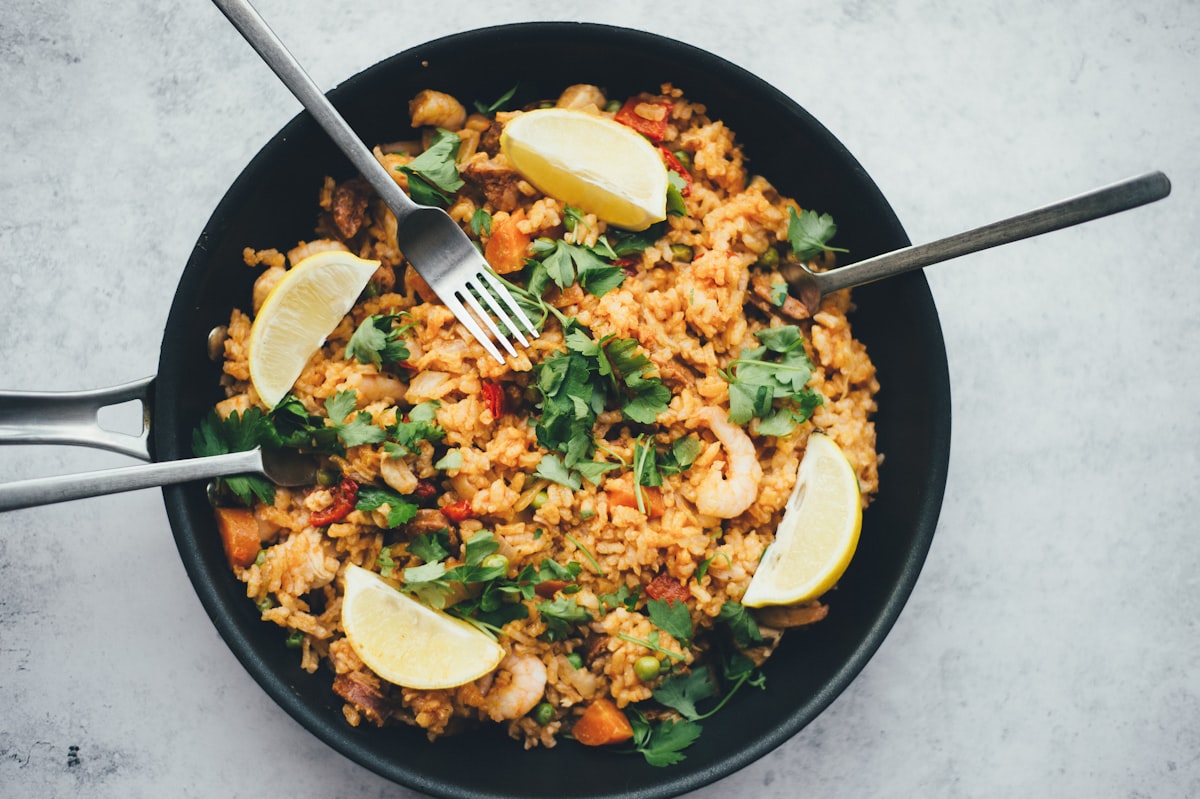
Something shifted in home kitchens this year. People are less interested in following recipes exactly and more interested in understanding how to cook. Nowhere is that more obvious than the stir-fry renaissance sweeping through weeknight dinner culture in 2026.
The concept is simple: instead of hunting down a specific recipe and running to the store for ingredients you'll only use once, you learn the method — the ratio of protein to vegetable to sauce, the heat management, the timing — and then you freestyle it with whatever's already in your fridge. NYT Cooking called their version "the most saved weeknight dinner of 2026," and home cooks across TikTok and Reddit are echoing the same thing: once you get the stir-fry framework down, you stop needing recipes for it entirely.
Here's everything you need to master the no-recipe stir-fry.
Why This Trend Is Actually a Skill Upgrade
Most weeknight cooking fails not because people can't follow instructions, but because dinner has to happen with whatever's on hand. The stir-fry method is built for exactly that situation.
It's also genuinely fast. We're talking 10 minutes of active cooking time from hot pan to plate. No oven preheating, no long simmer times, no babysitting. Just high heat, fast movement, and a reliable sauce formula.
"A ripping-hot pan, dry ingredients, and a soy-garlic sauce make dinner fast, glossy, and tender-crisp." — KitchPrep
The technique forces you to think like a cook rather than a recipe-follower. That's a skill that compounds. Once you can stir-fry, you can clear your fridge on a Thursday night and still eat well.
The Framework: 4 Components, Infinite Combinations
Every successful stir-fry follows the same four-part structure:
1. Your Protein (pick one)
- Chicken thighs or breast, thinly sliced
- Beef (flank steak or sirloin), sliced against the grain
- Shrimp, peeled and deveined
- Tofu, pressed and cubed
- Eggs (scrambled in at the end)
- Leftover cooked meat from earlier in the week
2. Your Vegetables (2–3 types)
Pair a sturdy vegetable with a quick-cooking one:
| Sturdy (add first) | Quick-cooking (add last 2 min) |
|--------------------|-------------------------------|
| Broccoli florets | Snap peas |
| Bell peppers | Baby spinach |
| Carrots, matchstick-cut | Green onions |
| Zucchini | Bean sprouts |
| Mushrooms | Frozen peas (straight from freezer) |
Spring picks right now: snap peas, asparagus cut on the bias, shaved radish, and fresh corn kernels are all thriving in stores and work beautifully.3. Your Sauce (the formula)
This is where most people overthink it. The baseline stir-fry sauce comes down to:
- 2 tbsp soy sauce (or tamari for gluten-free)
- 1 tbsp something sweet — honey, brown sugar, or hoisin
- 1 tsp something sharp — rice vinegar, citrus juice, or Worcestershire
- 1 tsp aromatics — minced garlic, fresh ginger, or chili paste
- 1 tsp cornstarch mixed with a splash of water (this makes the sauce cling)
Whisk it together before you start cooking. The pan moves fast — you don't want to be measuring while things are burning.
Variations to try:- Swap soy for fish sauce + lime juice for a Thai-leaning version
- Add miso paste + sesame oil for a Japanese depth
- Use oyster sauce as your base for a classic Cantonese profile
4. Your Base (or skip it)
Serve over steamed rice, noodles, or cauliflower rice. Or skip the base entirely and pile it into lettuce cups. Day-old rice is actually better here — it's drier and fries up without getting mushy.
The Heat Management That Most People Get Wrong
This is the most important part and the most commonly skipped. Stir-fries require high heat — higher than most home cooks are comfortable with.
Here's the sequence:
Total active cook time: 8–12 minutes.
Practical Stir-Fry Combinations to Start With
If freestyle cooking still feels intimidating, here are three reliable starting points:
Classic Chicken and BroccoliThinly sliced chicken breast, broccoli florets, garlic, soy-honey sauce. Serve over steamed white rice. This is the lowest-risk version and a great way to dial in your heat management.
Spring Shrimp and Snap PeaLarge shrimp, snap peas, shaved asparagus, fresh ginger, fish sauce + lime + honey sauce. Done in 6 minutes. Serve over rice noodles.
Fridge-Clear Fried RiceLeftover rice + whatever protein you have + onion + any vegetables + soy sauce + two eggs scrambled in at the end. This is the true no-recipe version — nothing goes to waste.
How to Scale for the Whole Week
One of the best moves with the stir-fry method is batch-cooking the components separately and mixing them throughout the week. Cook a big pot of rice on Sunday. Slice and marinate your proteins. Cut your vegetables. Then every weeknight is a 5-minute assembly job.
If you're working with different serving sizes — cooking for one on Tuesday and four on Friday — that's where SnipDish's recipe scaling tool saves you. Rather than doing the sauce-ratio math in your head for a doubled or halved batch, SmartFind can pull any stir-fry recipe you've saved and scale it to the exact number of servings you need, proportions intact.
The Bigger Picture: Cooking as a Skill, Not a Script
The no-recipe stir-fry trend is really a symptom of a broader shift happening in how people think about cooking. There's a growing fatigue with hyper-specific recipes that require 23 ingredients and leave you with half a jar of something you'll never use again.
The alternative is learning techniques that make you adaptable. Stir-fry is one of the best entry points because the feedback loop is fast — you know within 10 minutes if it worked — and the failure modes are easy to diagnose (pan not hot enough, protein not dry, sauce too thin).
Once you internalize this one technique, it doesn't just solve weeknight dinners. It changes how you see your kitchen — as a place where you can improvise, not just execute.
Get Started Tonight
Pick the protein in your fridge right now. Pick two vegetables. Mix the sauce formula above. Get the pan hot.
That's it. That's the whole recipe.
If you want to save your stir-fry variations and access them in hands-free Cook Mode the next time you're standing over a hot pan, try SnipDish free — clip recipes from anywhere, scale them to your servings, and cook from your screen without touching your phone.