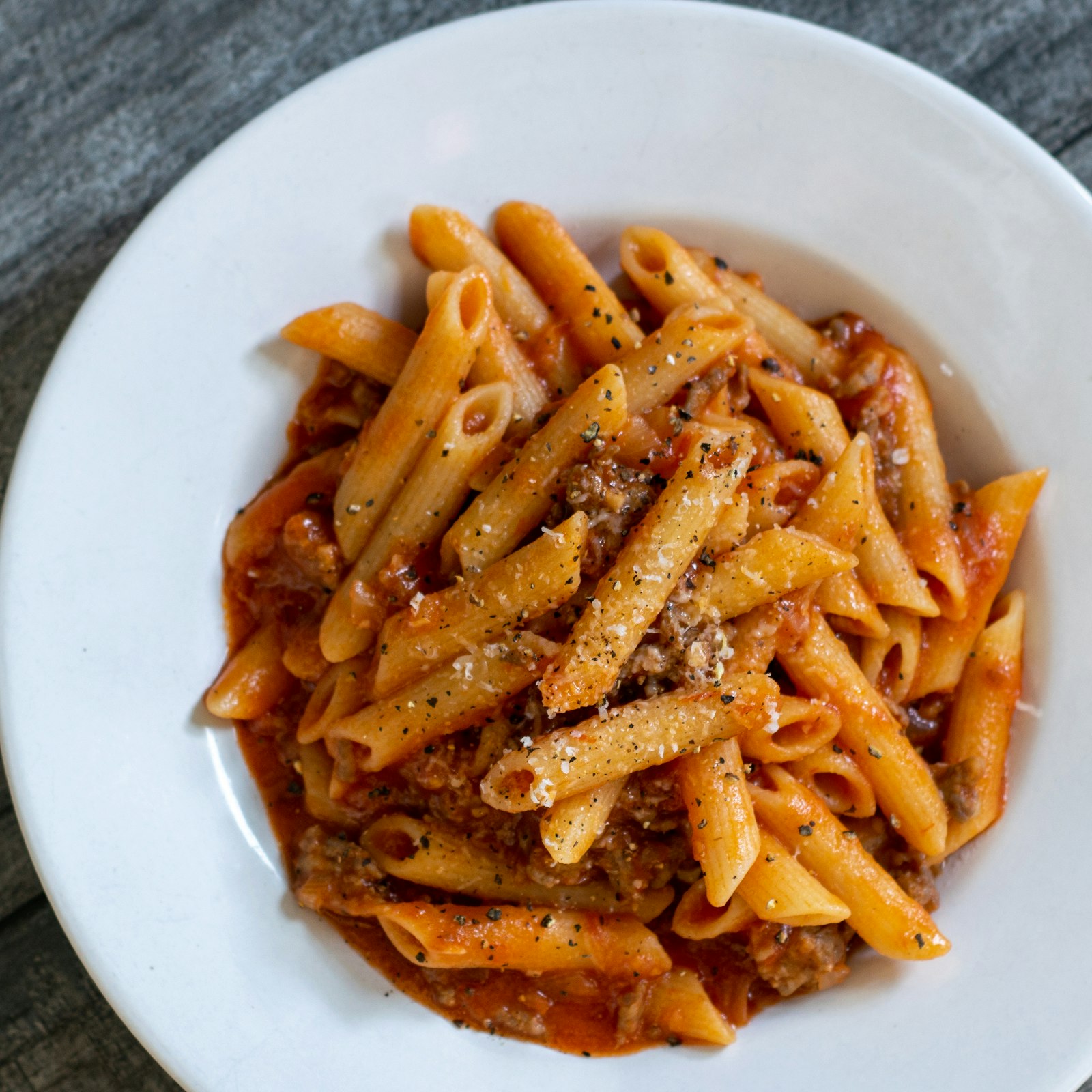
Pasta Primavera Is Back — And This Time It's Even Better
Spring doesn't wait, and neither should you. Every April, home cooks remember the same truth: the best food isn't complicated — it's in season. And right now, pasta primavera is having a serious moment.
After years of being dismissed as a relic of the 1980s, pasta primavera is reclaiming its rightful spot in the rotation. Search trends for spring pasta dishes are spiking, food editors are calling it the "anti-trend trend," and home cooks are rediscovering why it became a classic in the first place: it's fast, flexible, and genuinely delicious when you use real spring produce.
Here's everything you need to make it properly — and the small upgrades that take it from good to unforgettable.
Why Pasta Primavera Is Perfect for April
The original pasta primavera — credited to Sirio Maccioni of Le Cirque in New York — was never really a recipe. It was a philosophy: use whatever vegetables look best today, toss them with pasta, olive oil, and Parmesan, and don't overthink it.
That's exactly the right mindset for April, when farmers markets and grocery stores start filling up with asparagus, sugar snap peas, English peas, zucchini, cherry tomatoes, and fresh herbs. These are vegetables that cook in minutes and taste bright, not heavy. After months of roasted root vegetables and stews, that freshness hits different.
"Pasta primavera is the dish that reminds you why cooking in season matters. When the vegetables are right, the dish is almost automatically good."
The Core Technique (It's Simpler Than You Think)
Great pasta primavera isn't about a recipe — it's about a technique. Follow these principles and you can't go wrong.
1. Don't overcook the vegetables
This is where most people go wrong. Spring vegetables should still have a bite — al dente, just like the pasta. A quick sauté in a hot pan (2–3 minutes maximum) is all they need. Asparagus tips, snap peas, and zucchini go mushy fast; treat them gently.
2. Salt your pasta water aggressively
The pasta water is your secret weapon. Save at least a full cup before you drain — it's starchy and salty, and it becomes the emulsifier that binds the olive oil, cheese, and vegetables into a sauce that actually clings to the noodles.
3. Finish everything together in the pan
Don't plate the pasta and then add vegetables on top. Toss the drained pasta directly into the pan with the vegetables, add splashes of pasta water as needed, and stir until everything is coated and glossy. That's the move.
4. Add the Parmesan off heat
Parmesan seizes and clumps if it hits direct heat. Pull the pan off the burner before you add it, toss quickly, and add another small splash of pasta water if it looks tight. You want it silky, not clumped.
The Best Spring Vegetables for Primavera Right Now
Here's what's in peak form this month and how to use each:
Asparagus — Cut on the bias into 1-inch pieces. Sauté in a very hot pan for 2–3 minutes until bright green with slight char. Don't crowd the pan. Sugar snap peas — Leave whole or halve them. They only need 60–90 seconds in the pan. Add them last so they stay crisp and sweet. English peas — Fresh are ideal, but frozen work beautifully. Thaw them first and add at the very end — they need no real cooking, just heat. Zucchini — Slice into thin half-moons. Salt them for 10 minutes first to draw out moisture, then pat dry before sautéing. This prevents a watery sauce. Cherry tomatoes — Add them raw at the very end, tossed in with the finished pasta. The residual heat softens them slightly and their juice becomes part of the sauce. Lemon — Not a vegetable, but non-negotiable. A good squeeze at the end brightens everything.The Upgrade Moves
Once you have the basic technique down, these additions elevate the dish without complicating it.
- Brown butter instead of straight olive oil — Let two tablespoons of butter go golden and nutty in the pan before adding vegetables. The flavor depth is remarkable.
- Burrata on top — Instead of Parmesan mixed in, plate the pasta and tear fresh burrata over the top. The cream that oozes into the pasta is extraordinary.
- Crispy capers — Drain and dry capers, then fry them in olive oil for 2–3 minutes until they burst open and crisp up. Scattered over the top, they add brine, texture, and a little drama.
- Fresh herbs at the end — Basil and mint both work. Add them off heat; wilted herbs just disappear.
How to Scale It (Without the Math Headache)
Pasta primavera is one of those dishes that's easy to scale up or down — which is exactly why it's a dinner party staple. But the ratios matter. Too little pasta water and the sauce is dry. Too many vegetables and the pasta gets lost.
A general rule: 2 oz dry pasta and 1 cup vegetables per person, with 1 tablespoon olive oil and ½ oz Parmesan per serving. From there, the ratio holds whether you're cooking for two or ten.
If you're working from a recipe you love and need to resize it fast, SnipDish's recipe scaling tool does the math automatically — just enter how many servings you need and every ingredient adjusts instantly. Particularly useful when you're mid-cook and realize someone else is joining dinner.
A Simple Starting Recipe
Pasta Primavera for 4- 8 oz pasta (linguine, fettuccine, or penne)
- 1 bunch asparagus, trimmed and cut into 1-inch pieces
- 1 cup sugar snap peas, halved
- 1 medium zucchini, sliced thin and salted
- 1 cup cherry tomatoes, halved
- 3 cloves garlic, thinly sliced
- 3 tablespoons olive oil
- ½ cup pasta water (reserved)
- 2 oz Parmesan, finely grated
- Juice of ½ lemon
- Salt, black pepper, red pepper flakes
- Fresh basil to finish
Cook pasta until just al dente. In a wide pan, warm olive oil over high heat. Add garlic and sauté 30 seconds. Add asparagus and zucchini, cook 2 minutes. Add snap peas, cook 1 minute. Add drained pasta, splash of pasta water, lemon juice, and toss everything together. Pull off heat, add Parmesan and toss again, adding water as needed for a silky sauce. Add tomatoes raw. Taste, season, finish with basil.
Total active time: under 20 minutes.The Takeaway
Pasta primavera never actually went out of style — it just got overshadowed by noisier trends. This spring, it's worth rediscovering. It's fast, vegetable-forward, and endlessly adaptable to whatever looks good at the market.
The best version is the one you make with what's freshest today.
Ready to try it? Save this recipe to SnipDish and use Cook Mode to keep your phone screen on and your place marked as you cook — no more flour-dusted phone screens trying to scroll back up.