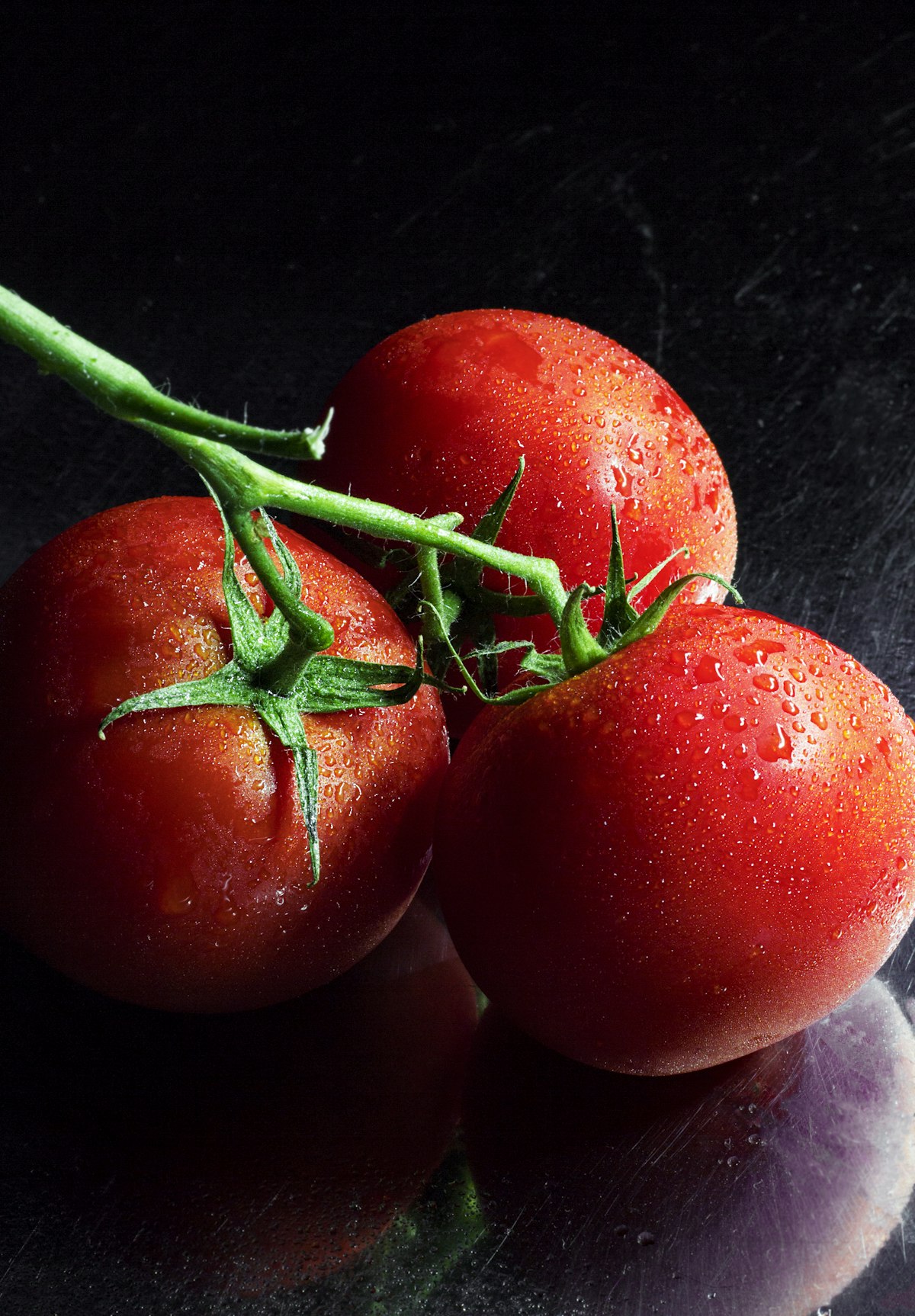
There are two types of tomatoes. The ones you buy in January that sit in the bowl like little red erasers. And then the ones you get in July and August that smell like a garden and taste like something completely different.
If you're buying heirlooms at a farmers market right now, or pulling ripe ones off a backyard vine, this is the moment to cook with them. Not preserve them, not blend them into something unrecognizable. Just cook with them, simply, in ways that let the tomato be the star.
Here are six recipes that do exactly that.
1. Real Bruschetta (Not the Jar Stuff)
Bruschetta got a bad reputation from the stuff they put in glass jars. Fresh bruschetta is almost nothing like that.
Dice 4-5 ripe tomatoes (any variety works, but a mix is better). Toss with a good pour of olive oil, one minced garlic clove, torn fresh basil, a pinch of salt, and a splash of red wine vinegar. Let it sit for 10 minutes. Toast thick slices of bread under the broiler, rub the hot toast with a raw garlic clove, and pile on the tomatoes.
The juice that pools in the bowl is the best part. Spoon it over too.
No cooking required beyond the toast. Total time: 15 minutes.
SnipDish tip: Use Cook Mode so you can tap through each step hands-free while you're slicing and toasting. No touching your phone with tomato-covered hands.2. Fresh Tomato Pasta (No Cooking the Sauce)
This sounds wrong until you make it, and then you'll make it every week for the rest of summer.
Roughly chop about a pound of the ripest tomatoes you have and put them in a bowl with olive oil, a torn garlic clove, a handful of fresh basil, salt, and some red pepper flakes if you want heat. Let that sit at room temperature for at least 30 minutes while the tomatoes release their juice. Then cook your pasta, drain it (save a cup of the starchy pasta water), and toss it directly into the tomato mixture.
The heat from the pasta gently warms the tomatoes without fully cooking them. You get something between raw and cooked, with a sauce that's silky from the pasta water and olive oil but still bright from fresh tomatoes.
This works best with thin pasta like spaghetti or linguine. It also works extremely well with burrata torn on top at the end.
3. Panzanella
Panzanella is a Tuscan bread salad, and it's one of those dishes that's radically better than it sounds.
Tear a stale baguette or ciabatta into rough chunks and toast them in olive oil until golden and crispy. Let them cool. Chop a mix of tomatoes into big pieces and toss with salt, then let them sit in a colander for 15 minutes to release liquid. Combine the tomatoes, bread, sliced red onion (soaked in cold water for 10 minutes to mellow the bite), cucumbers, and torn basil. Dress with olive oil and red wine vinegar.
The magic is in the timing. Make it 30-45 minutes before you eat. The bread absorbs tomato juice and dressing but stays crispy at the edges. If you wait too long it gets soggy; too short and the bread is just crunchy toast in a salad. There's a sweet spot and it's worth finding.
You can add capers, olives, or fresh mozzarella. You can skip any of those. The tomatoes and bread are the whole point.
4. Caprese, Done Right
Caprese is three ingredients: tomatoes, fresh mozzarella, basil. It sounds simple because it is. But there are a few small things that separate a great caprese from a boring one.
First: the tomatoes need to be at room temperature, not cold from the fridge. Cold tomatoes have no flavor. This isn't optional.
Second: use fresh mozzarella, not the dry packaged kind. Even better, use burrata. The creamy center pools around the tomatoes and acts as a sauce.
Third: finish with flaky salt (not regular salt), good olive oil (the best you have), and optionally a tiny drizzle of aged balsamic. Not the cheap kind that's basically sweetened vinegar. The real thing, or skip it.
Fourth: don't slice everything into uniform rounds. Tear the mozzarella, cut the tomatoes into uneven wedges, and mix the colors if you have heirlooms. It should look organic, not assembled.
The dish takes five minutes. The quality of your ingredients is the entire recipe.
5. Slow-Roasted Tomatoes
When you have too many tomatoes to eat fresh, roast them.
Halve or quarter the tomatoes, lay them cut-side up on a sheet pan, drizzle generously with olive oil, add a few smashed garlic cloves, salt and pepper, and a few sprigs of fresh thyme or oregano. Roast at 300°F for 2-3 hours until the tomatoes have collapsed, concentrated, and turned jammy.
These are useful in ways that fresh tomatoes aren't. Stir them into pasta, smash them on toast, mix into scrambled eggs, spoon over grilled chicken. They keep in the fridge for a week covered in olive oil, or freeze for months.
This is how you extend peak season. Make a big batch when tomatoes are cheapest and most abundant, usually mid-July through August, and you'll have something that tastes like summer all the way into fall.
SnipDish tip: Scale the recipe up to handle a full flat of farmers market tomatoes at once. SmartFind can suggest ways to use the roasted tomatoes across different meals throughout the week.6. Classic Gazpacho
Gazpacho is cold tomato soup, and it's having a real moment right now. Not the thick, juice-heavy kind from a can. The blended-smooth, slightly chunky-textured version that actually tastes like a garden in a bowl.
Core ingredients: 2 pounds ripe tomatoes, half a cucumber, half a red bell pepper, a small shallot or quarter of a red onion, one garlic clove, 3 tablespoons of good olive oil, 2 tablespoons of sherry vinegar or red wine vinegar, salt, and a thick slice of day-old bread soaked in a little water.
Blend everything until smooth, then strain through a medium-mesh strainer if you want a cleaner texture. Season aggressively with salt and vinegar (cold food needs more seasoning than warm food). Refrigerate at least two hours before serving.
Serve with a drizzle of olive oil on top, some diced cucumber and tomato if you want texture, and a few torn croutons. It works as a starter, a light lunch, or alongside a sandwich.
The vinegar matters more than people think. It brightens the whole thing. Start with the amount listed and add more by the teaspoon until it tastes sharp and alive rather than flat.
The Bottom Line on Peak Tomato Season
July and August tomatoes don't need much help. They need good olive oil, salt, fresh herbs, and recipes that keep the focus on them instead of burying them under complexity.
Every one of these dishes scales easily based on what you have. Bruschetta for two or panzanella for a party of twelve, the ratios work either way. If you're cooking for a crowd, use SnipDish's recipe scaling to adjust quantities automatically so nothing gets wasted.
Good tomatoes don't stay around long. The window closes by late September, sometimes earlier. Cook with them now.