Rhubarb Is Spring's Most Underused Ingredient — Here's How to Cook It
Every April, farmers markets fill up with those long, candy-striped stalks. You pick one up, remember vaguely that it goes in pie, and put it back down. Sound familiar?
Rhubarb might be the most misunderstood ingredient in the spring produce aisle. People know it exists. They know it's tart. They assume it requires a recipe from a grandmother who knew what she was doing. Then they walk past it and grab more asparagus.
This year, stop walking past it. Rhubarb's window is short — typically March through May, with the peak hitting right now — and once summer arrives, it's gone. Here's everything you need to know to actually cook with it.
What Makes Rhubarb Worth Your Attention
Rhubarb is a vegetable that acts like a fruit. Raw, it's mouth-puckeringly tart — almost inedible on its own. But add heat and a little sugar, and it transforms into something silky and complex, with a bright, almost floral acidity that you can't replicate with citrus or vinegar.
That acidity is the key. It cuts through fat, brightens rich sauces, and balances sweetness in a way that makes other flavors pop. That's why rhubarb isn't just for pie — it's for any dish that needs a sharp, unexpected edge.
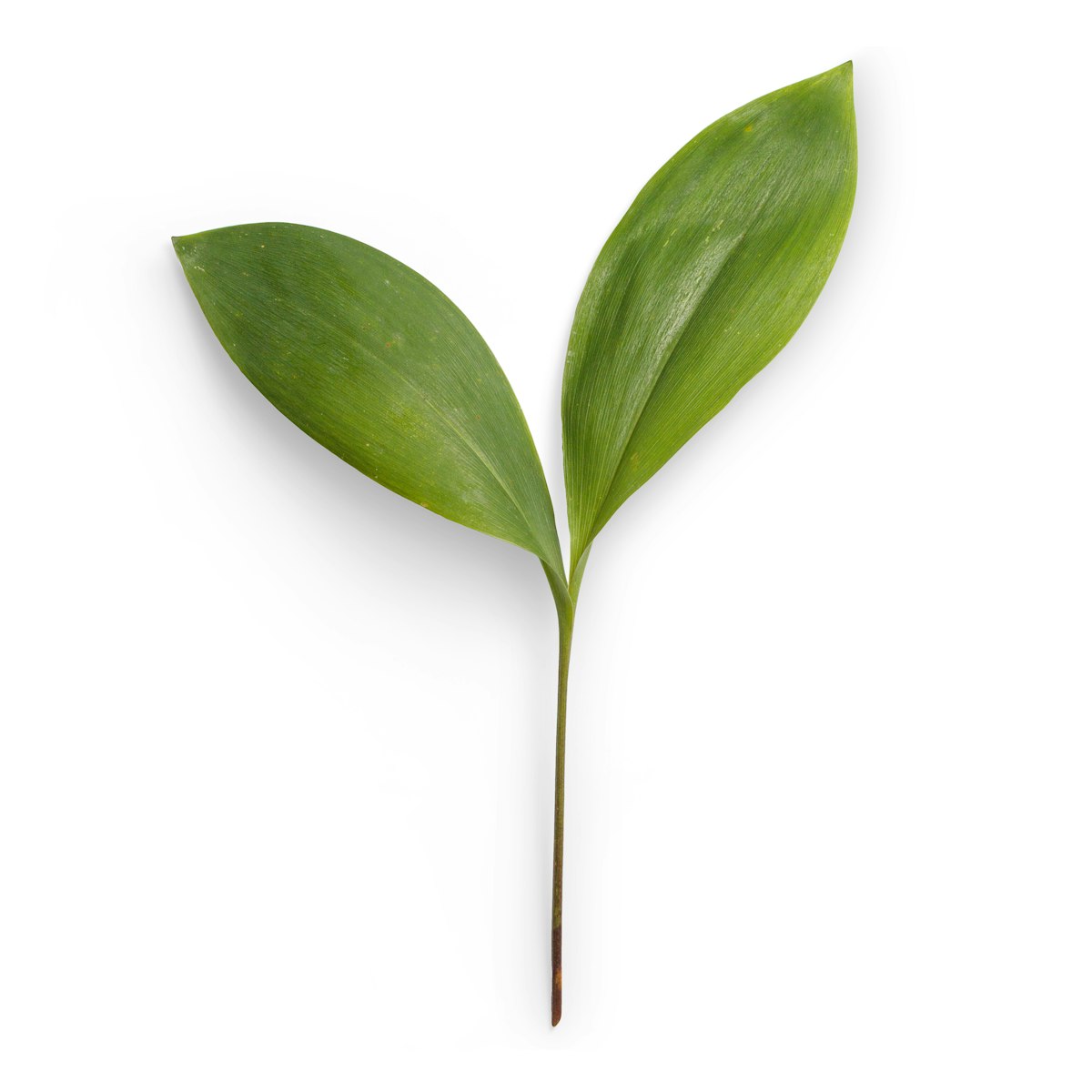
The stalks should feel firm and crisp, like celery. Deep red color is beautiful, but it doesn't indicate ripeness or flavor — green-streaked stalks taste just as good. The leaves, however, are toxic. Trim them off and toss them immediately.
5 Rhubarb Recipes Worth Making This Week
1. Rhubarb Compote (Your Swiss Army Knife)
If you only make one rhubarb recipe, make this. Simmer 2 cups of chopped rhubarb with ¼ cup sugar and 2 tablespoons of water over medium heat for about 10 minutes, stirring occasionally, until it breaks down into a jammy sauce. That's it.
What do you do with it?
- Spoon it over yogurt or oatmeal for breakfast
- Swirl it into whipped cream or mascarpone for a quick dessert
- Serve it alongside roast pork or duck as a savory condiment
- Layer it with granola and cream cheese for a no-bake tart
Make a big batch on Sunday. It keeps in the fridge for two weeks and improves as the flavors settle.
SnipDish tip: Scaling compote for a crowd or a small batch? Use the recipe scaler to adjust quantities without doing the math. The 2:1 ratio of rhubarb to sugar holds at any size.
2. Rhubarb Vinaigrette
This one surprises people. Blend 3 tablespoons of rhubarb compote with 2 tablespoons of olive oil, 1 tablespoon of white wine vinegar, a pinch of salt, and a drizzle of honey. You get a dressing that's fruity and tangy and deeply pink — perfect over arugula with goat cheese and toasted walnuts.
It also works as a glaze for salmon: brush it on during the last 3-4 minutes of cooking. The natural pectin in rhubarb caramelizes beautifully under heat.
3. Strawberry-Rhubarb Galette (The Classic, Done Right)
Yes, the classic combination deserves a spot here. But instead of a full pie, go with a galette — a freeform tart that forgives imperfect technique and cooks faster.
Toss 1½ cups each of sliced rhubarb and strawberries with 3 tablespoons of sugar and 1 tablespoon of cornstarch. Pile it in the center of a sheet of store-bought pie dough, fold the edges up roughly, brush with egg wash, and bake at 400°F for 35-40 minutes until the crust is golden and the filling is bubbling.
The rough edges are the point. Serve it warm with vanilla ice cream or a dollop of crème fraîche. This is the dish that will make someone ask you for the recipe.
4. Rhubarb Shrub (A Drinking Vinegar Cocktail Mixer)
Shrubs — fruit-based drinking vinegars — are having a major moment in 2026, and rhubarb makes one of the best. Combine equal parts rhubarb, sugar, and apple cider vinegar. Let it sit in the fridge for 3 days, strain, and bottle it.
Add 2 tablespoons to sparkling water for a sophisticated non-alcoholic drink. Mix with gin and elderflower liqueur for a proper cocktail. The tartness of the rhubarb and the brightness of the vinegar create something that tastes expensive and complex with almost no effort.
5. Savory Rhubarb Chutney for Cheese and Charcuterie
This is the one that will change how you think about rhubarb. Cook down 2 cups of chopped rhubarb with ½ a diced red onion, 2 tablespoons of brown sugar, 1 tablespoon of apple cider vinegar, a pinch of red pepper flakes, and a few sprigs of fresh thyme. Simmer until thick, about 15 minutes.
Spread it on a cheese board alongside aged cheddar, manchego, and cured meats. It's tangy and sweet with a little heat — the kind of thing guests ask about first. It also pairs exceptionally well with grilled chicken or as a sandwich spread with brie.
How to Store Rhubarb (And Make It Last)
Fresh rhubarb keeps in the fridge for about a week, wrapped loosely in plastic. For longer storage, freeze it raw: chop it into 1-inch pieces, spread on a baking sheet until frozen solid, then transfer to a zip-lock bag. Frozen rhubarb works perfectly in compotes, chutneys, and baked goods — the texture softens when cooked anyway.
The window for fresh rhubarb is genuinely short. If you see good stalks at the market right now, buy more than you think you need, freeze the extra, and you can cook with it through summer.
The Flavor Pairings That Work Every Time
Rhubarb plays well with:
- Sweet: strawberry, vanilla, honey, maple
- Savory: ginger, black pepper, red pepper flakes, thyme, rosemary
- Rich: pork, duck, lamb, fatty fish like salmon
- Dairy: cream cheese, mascarpone, crème fraîche, aged cheddar
The through-line is contrast. Rhubarb's tartness needs something to push against — sweetness, richness, or savoriness. That's why it disappears so easily into the background of a bad recipe and takes center stage in a good one.
Getting the Ratio Right
The biggest mistake people make with rhubarb is using too little sugar in savory applications and too much in sweet ones. For compotes and jams, a 2:1 rhubarb-to-sugar ratio keeps the tartness alive. For chutneys and sauces, you want even less — just enough to balance, not to sweeten.
If you're adapting a recipe for a different number of servings, SnipDish's recipe scaler keeps those ratios intact automatically. A compote recipe designed for 4 scales cleanly to 12 without you having to re-math every ingredient — especially useful if you're prepping for a spring dinner party.
This Month Only
Rhubarb doesn't wait. By late May it starts getting stringy and bitter, and by June it's essentially gone until next year. Every spring, I tell myself I'll cook with it more, and then I blink and the season is over.
This year is different. Buy the rhubarb. Make the compote. Put it on everything. You've got about six weeks, and it's worth it.
Ready to scale up any of these recipes for a crowd? Save them to SnipDish and use the recipe scaler to hit exactly the right amounts — no guessing, no fractions.